
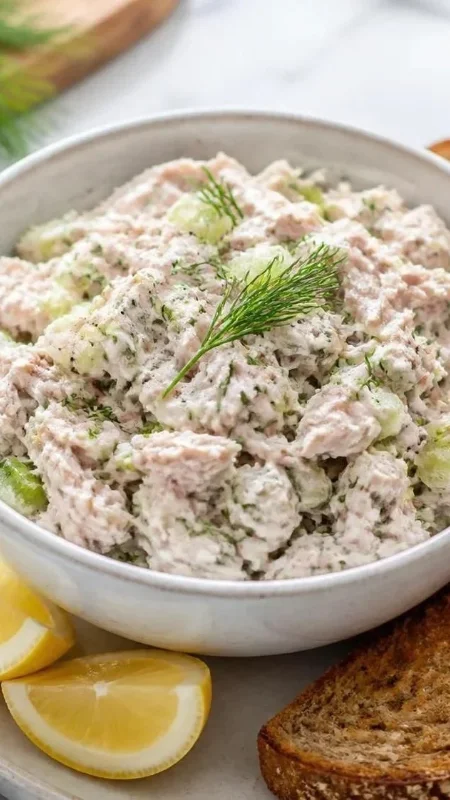
Looking for a quick, satisfying lunch that doesn’t rely on mayonnaise? Tuna salad without mayo is a fresh, flavorful alternative that takes just minutes to prepare.
Instead of traditional mayonnaise, you can use olive oil and lemon juice for a light Mediterranean-style dressing, Greek yogurt for a creamy texture, or mashed avocado for a rich, smooth finish.
Each option offers a different flavor while keeping the recipe simple and adaptable.
Table of Contents
Canned tuna is particularly convenient because it’s already cooked, requires no additional heating, and provides protein with minimal preparation.
Add crunchy vegetables, fresh herbs, and a few pantry staples, and you have a versatile lunch that works in sandwiches, wraps, lettuce cups, or grain bowls.
In this guide, you’ll learn how to make an easy Mediterranean tuna salad without mayonnaise, plus two delicious variations using Greek yogurt and avocado.
You’ll also find ingredient measurements, step-by-step instructions, nutritional estimates, serving suggestions, and important food safety tips.
Why Make Tuna Salad Without Mayo?
Traditional tuna salad often uses mayonnaise to hold the ingredients together and create a creamy texture.
However, mayonnaise isn’t the only ingredient that works.
Olive oil, Greek yogurt, and avocado can all provide moisture and help combine tuna with vegetables and seasonings.
Choosing one of these alternatives also allows you to experiment with different flavors and nutritional profiles.
Fresh Flavor Without Heavy Dressing
A lemon and olive oil dressing gives tuna salad a bright, tangy flavor.
Fresh vegetables add crunch, while herbs and spices help create depth without complicated preparation.
Unlike creamy dressings, olive oil and lemon juice allow the tuna and vegetables to remain the dominant flavors.
Three Simple Mayonnaise Alternatives
Different ingredients create different textures.
| Mayo Alternative | Flavor | Texture | Best Use |
|---|---|---|---|
| Olive oil and lemon | Bright and savory | Lightly dressed | Mediterranean bowls and salads |
| Plain Greek yogurt | Tangy and mild | Creamy | Sandwiches and wraps |
| Mashed avocado | Rich and mild | Thick and creamy | Toast and lettuce cups |
Olive oil and avocado provide primarily unsaturated fats.
Plain Greek yogurt contributes protein and can reduce calories compared with some mayonnaise-based preparations, depending on the type and quantity used.
An Easy Protein-Rich Lunch
Tuna is a convenient source of protein.
Protein contributes to the maintenance and repair of body tissues and is an important part of a balanced eating pattern.
Combining tuna with vegetables, whole grains, or legumes can create a more complete and satisfying lunch.
For more inspiration, explore our healthy lunch ideas guide.
Ingredients for Mediterranean Tuna Salad Without Mayo
The Mediterranean version is the main recipe in this guide.
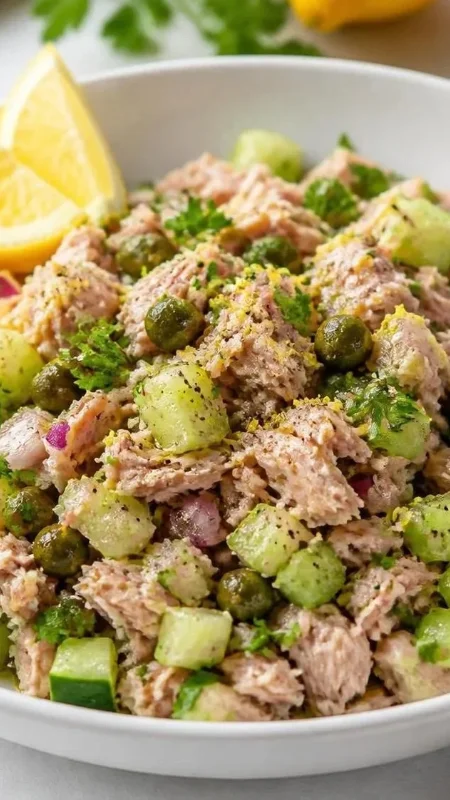
It combines canned tuna, cucumber, celery, red onion, fresh parsley, olive oil, and lemon juice.
The ingredients are easy to find and require no cooking.
Recipe Overview
| Detail | Information |
|---|---|
| Recipe | Mediterranean Tuna Salad Without Mayo |
| Prep Time | 10 minutes |
| Cook Time | 0 minutes |
| Total Time | 10 minutes |
| Servings | 2 |
| Serving Size | Half the prepared recipe |
| Difficulty | Easy |
| Cooking Method | No-cook |
| Primary Protein | Canned tuna |
| Dietary Notes | Dairy-free; gluten-free when ingredients are suitable |
Ingredient Table
| Ingredient | Amount | Purpose |
|---|---|---|
| Canned light tuna in water, drained | 2 cans, 5 oz each before draining | Protein-rich base |
| Extra-virgin olive oil | 1 tablespoon | Moisture and flavor |
| Fresh lemon juice | 2 tablespoons | Bright acidity |
| Cucumber, finely diced | 1/2 cup | Freshness and crunch |
| Celery, finely chopped | 1/4 cup | Crunch |
| Red onion, finely diced | 2 tablespoons | Savory flavor |
| Fresh parsley, chopped | 2 tablespoons | Fresh herbal flavor |
| Dijon mustard | 1 teaspoon | Tanginess and emulsification |
| Garlic powder | 1/4 teaspoon | Seasoning |
| Black pepper | 1/8 teaspoon | Mild heat |
Optional additions: Capers, diced bell pepper, fresh dill, or a small amount of lemon zest.
Choosing the Best Canned Tuna
Canned tuna is available in several varieties.
For this recipe, canned light tuna packed in water is a practical choice.
It generally has a mild flavor and combines easily with lemon and olive oil.
Canned light tuna is also classified by the FDA as a “Best Choice” fish option, while albacore tuna is classified as a “Good Choice” because it generally contains more mercury.
These categories are especially important when planning seafood intake for children and people who are pregnant or breastfeeding.
Choose tuna packed in water if you want greater control over how much oil is added.
If using tuna packed in oil, drain it and adjust the additional olive oil according to your preference.
Fresh Vegetables and Herbs
Cucumber, celery, and red onion add texture.
Dice them finely so every bite contains a balanced mixture of ingredients.
Fresh parsley works especially well with lemon.
You can substitute dill or chives if preferred.
Olive Oil and Lemon Dressing
Olive oil contributes a smooth texture and savory flavor.
Lemon juice adds acidity, while Dijon mustard helps the dressing coat the tuna and vegetables.
This combination creates a moist salad without requiring mayonnaise.
How to Make Tuna Salad Without Mayo
This easy recipe takes approximately 10 minutes and requires only a mixing bowl, knife, cutting board, and spoon.
Step 1: Drain the Tuna
Open the canned tuna and drain it thoroughly.
Transfer the tuna to a medium mixing bowl.
Use a fork to break large pieces into smaller flakes.
Avoid overmixing because the salad can become mushy.
Step 2: Prepare the Vegetables
Wash the cucumber, celery, and parsley under running water.
Dice the cucumber into small pieces.
Finely chop the celery, red onion, and parsley.
Pat wet ingredients dry if necessary to prevent excess liquid from accumulating in the finished salad.
Step 3: Mix the Dressing
In a small bowl, combine:
- 1 tablespoon olive oil.
- 2 tablespoons lemon juice.
- 1 teaspoon Dijon mustard.
- 1/4 teaspoon garlic powder.
- 1/8 teaspoon black pepper.
Whisk until combined.
Taste the dressing and adjust the acidity if needed.
Step 4: Combine the Ingredients
Add the cucumber, celery, red onion, and parsley to the tuna.
Pour the dressing over the mixture.
Gently fold everything together using a spoon.
The tuna should be evenly coated without losing all its texture.
Step 5: Taste and Serve
Taste the salad before adding any additional seasoning.
Canned tuna and Dijon mustard may already contribute sodium, so extra salt may not be necessary.
Serve immediately or refrigerate promptly in a covered container.
For a simple lunch, spoon the tuna salad over fresh lettuce or serve with whole-grain crackers.
Recipe tip: If the mixture seems dry, add 1 teaspoon of water or lemon juice at a time. You can also add a little more olive oil, keeping in mind that this increases the calorie content.
3 Easy Tuna Salad Recipes Without Mayo
The Mediterranean version is ideal when you prefer a fresh, lightly dressed salad.
However, you can create creamier variations without traditional mayonnaise.
Each of the following recipes makes two servings.
1. Mediterranean Tuna Salad With Olive Oil
Best for: Salad bowls, whole-grain crackers, pita pockets, and lettuce wraps.
This version uses the complete recipe above.
Its flavor comes primarily from olive oil, lemon, parsley, and crunchy vegetables.
The ingredients complement tuna without covering its natural flavor.
Estimated Nutrition Per Serving
| Nutrient | Approximate Amount |
|---|---|
| Calories | 195 kcal |
| Protein | 27 g |
| Carbohydrates | 4 g |
| Total Fat | 8 g |
| Fiber | 1 g |
These estimates assume approximately 240 g of drained canned light tuna across the full recipe and do not include bread, crackers, or other serving accompaniments.
Actual drained weights vary by product.
Serving suggestion: Place the tuna salad over mixed greens with cherry tomatoes and a slice of whole-grain bread.
For a more filling meal, add cooked quinoa or chickpeas.
2. Creamy Tuna Salad With Greek Yogurt
If you enjoy the texture of traditional tuna salad, plain Greek yogurt is a convenient substitute.
It provides a creamy consistency and slightly tangy flavor.
Choose plain, unsweetened yogurt rather than flavored varieties.
Recipe Details
| Detail | Amount |
|---|---|
| Prep Time | 10 minutes |
| Cook Time | 0 minutes |
| Total Time | 10 minutes |
| Servings | 2 |
Ingredients
| Ingredient | Amount |
|---|---|
| Canned light tuna in water, drained | 2 cans, 5 oz each before draining |
| Plain nonfat Greek yogurt | 1/4 cup |
| Celery, finely chopped | 1/4 cup |
| Red onion, finely chopped | 2 tablespoons |
| Dijon mustard | 1 teaspoon |
| Lemon juice | 1 tablespoon |
| Fresh dill, chopped | 1 tablespoon |
| Black pepper | 1/8 teaspoon |
Step-by-Step Instructions
- Drain the canned tuna and transfer it to a bowl.
- Break the tuna into smaller pieces with a fork.
- Add the Greek yogurt, Dijon mustard, and lemon juice.
- Stir gently until the tuna is coated.
- Add the celery, red onion, and fresh dill.
- Season with black pepper.
- Mix until the ingredients are evenly distributed.
- Serve immediately or refrigerate promptly.
Estimated Nutrition Per Serving
| Nutrient | Approximate Amount |
|---|---|
| Calories | 150 kcal |
| Protein | 29 g |
| Carbohydrates | 4 g |
| Total Fat | 1 g |
| Fiber | Less than 1 g |
Flavor tip: Start with 1/4 cup yogurt. If you prefer a creamier consistency, add another tablespoon.
Additional yogurt will change the nutritional estimates.
This variation works particularly well in sandwiches because the yogurt helps hold the tuna together.
Food allergy note: Greek yogurt contains milk. Use an appropriate dairy-free alternative if needed, although nutrition and texture will differ.
3. Avocado Tuna Salad Without Mayo
Mashed avocado creates a thick, creamy tuna salad with a mild flavor.
It pairs especially well with lime juice, cilantro, and crunchy vegetables.
This recipe works well on toast, in lettuce cups, or as a filling for wraps.
Recipe Details
| Detail | Amount |
|---|---|
| Prep Time | 10 minutes |
| Cook Time | 0 minutes |
| Total Time | 10 minutes |
| Servings | 2 |
Ingredients
| Ingredient | Amount |
|---|---|
| Canned light tuna in water, drained | 2 cans, 5 oz each before draining |
| Ripe avocado | 1/2 medium, approximately 75 g |
| Lime juice | 1 tablespoon |
| Celery, finely chopped | 1/4 cup |
| Red onion, finely chopped | 2 tablespoons |
| Fresh cilantro, chopped | 1 tablespoon |
| Garlic powder | 1/4 teaspoon |
| Black pepper | 1/8 teaspoon |
Step-by-Step Instructions
- Drain the tuna thoroughly.
- Place the avocado in a mixing bowl.
- Mash the avocado with a fork until mostly smooth.
- Add the lime juice and stir.
- Add the tuna and gently combine.
- Mix in the celery, red onion, cilantro, and garlic powder.
- Season with black pepper.
- Serve immediately for the best color and texture.
Estimated Nutrition Per Serving
| Nutrient | Approximate Amount |
|---|---|
| Calories | 195 kcal |
| Protein | 27 g |
| Carbohydrates | 6 g |
| Total Fat | 8 g |
| Fiber | 3 g |
Meal prep tip: Avocado can brown after exposure to air.
Lime juice may help slow visible browning, but it does not eliminate food safety requirements.
For the best appearance, prepare this variation shortly before serving.
If storing leftovers, refrigerate promptly in an airtight container.
Tuna Salad Without Mayo Nutrition Facts
Tuna salad can provide protein and other nutrients, but its nutritional profile depends on the ingredients and portion sizes.
The dressing makes a noticeable difference.
Nutrition Comparison
| Tuna Salad Variation | Calories | Protein | Total Fat |
|---|---|---|---|
| Mediterranean olive oil | 195 | 27 g | 8 g |
| Greek yogurt | 150 | 29 g | 1 g |
| Avocado | 195 | 27 g | 8 g |
Values are approximate per serving and exclude bread, wraps, crackers, and additional toppings.
These figures are preliminary recipe estimates and should be recalculated from exact ingredient weights before publication.
Protein Content
Canned tuna is a concentrated source of protein.
The precise amount varies by species, brand, and drained serving weight.
Protein plays several roles in the body, including supporting the maintenance of muscles and other tissues.
Adding tuna to a meal with vegetables and whole grains can help create a satisfying lunch.
Healthy Fats
Olive oil and avocado provide unsaturated fats.
Replacing some saturated fat with unsaturated fat can be consistent with heart-healthy dietary patterns.
However, olive oil and avocado are energy-dense foods.
Using them instead of mayonnaise does not automatically reduce calories.
The Greek yogurt version generally provides less added fat when prepared with nonfat yogurt.
Calories and Portion Sizes
The recipes above provide approximately 150–195 calories per serving before adding bread or other accompaniments.
That amount may be too small for a complete lunch for many adults.
Consider serving tuna salad with whole-grain bread, cooked grains, fruit, vegetables, or other foods according to your appetite and energy needs.
Omega-3 Fatty Acids
Tuna can provide omega-3 fatty acids, although the amount varies depending on the species and product.
Omega-3 fats have important roles in normal body function.
According to the NIH Office of Dietary Supplements, EPA and DHA are omega-3 fatty acids found in fish and seafood.
However, tuna should not be treated as a uniquely necessary source of these nutrients.
A varied seafood intake can provide nutritional benefits while helping avoid reliance on one fish species.
Tuna and Mercury Considerations
Mercury exposure is an important consideration when choosing how often to eat tuna.
The FDA and EPA classify canned light tuna as a “Best Choice” fish for people who are pregnant or breastfeeding and for children.
Albacore tuna, also called white tuna, is a “Good Choice” and generally contains more mercury.
For adults who are pregnant or breastfeeding, FDA/EPA advice recommends approximately 2–3 servings per week from the “Best Choices” category, or one serving from the “Good Choices” category.
The FDA defines an adult fish serving as 4 ounces for this guidance.
Children have smaller recommended serving sizes depending on age.
This advice applies to total seafood intake, not just tuna.
People who are pregnant, breastfeeding, planning pregnancy, or feeding young children should follow current FDA/EPA fish advice and consider their total fish consumption.
Practical recommendation: Enjoy tuna as part of a varied diet that includes other lower-mercury seafood choices rather than relying on tuna every day.
7 Easy Ways to Serve Tuna Salad for Lunch
One reason tuna salad without mayo is so convenient is its versatility.
You can use the same basic recipe in several different lunches.
1. Whole-Grain Tuna Sandwich
Spread the Greek yogurt tuna salad between two slices of whole-grain bread.
Add lettuce, tomato, and cucumber for extra crunch.
Whole-grain bread contributes carbohydrates and may provide dietary fiber.
2. Tuna Lettuce Wraps
Spoon Mediterranean tuna salad into large romaine or butter lettuce leaves.
Top with sliced cucumber or shredded carrots.
This creates a crisp lunch or snack without requiring bread.
3. Tuna and Quinoa Bowl
Place tuna salad over cooked quinoa.
Add cherry tomatoes, cucumber, spinach, and a squeeze of lemon.
For additional preparation inspiration, see our Sunday lunch bowl prep guide.
4. Avocado Tuna Toast
Spread avocado tuna salad over whole-grain toast.
Top with sliced tomatoes, chili flakes, or fresh herbs.
Serve immediately to preserve the avocado’s texture.
5. Mediterranean Tuna Pita
Fill a whole-wheat pita with Mediterranean tuna salad.
Add spinach and extra cucumber.
A small spoonful of plain yogurt can provide additional moisture if desired.
6. Tuna-Stuffed Bell Peppers
Cut a bell pepper in half and remove the seeds.
Fill each half with tuna salad.
This option provides a crunchy, colorful alternative to sandwiches.
7. Tuna Salad With Crackers and Vegetables
Pack tuna salad in a sealed container.
Serve with whole-grain crackers, carrot sticks, cucumber slices, and cherry tomatoes.
This is convenient when you prefer a lunch that doesn’t require reheating.
For more fresh meal inspiration, browse our salad recipes.
How to Store Tuna Salad Without Mayo
Although these recipes require no cooking, proper storage remains essential.
Canned tuna is shelf-stable before opening when the packaging is intact and stored according to its label.
Once opened and combined with fresh ingredients, the prepared salad becomes perishable.
Refrigeration Guidelines
Store homemade tuna salad in a clean, covered container at 40°F (4°C) or below.
FoodSafety.gov lists tuna salad among prepared salads that can generally be refrigerated for three to four days.
For best quality, especially when using avocado, it may be preferable to eat the salad sooner.
Do not leave prepared tuna salad at room temperature for more than two hours.
If the surrounding temperature is above 90°F (32°C), refrigerate it within one hour.
Can You Freeze Tuna Salad?
Freezing is generally not recommended for these recipes if you want to preserve their original texture.
Greek yogurt can separate after thawing.
Avocado may become watery or change texture.
Cucumber, celery, and other raw vegetables may lose their crunch.
For the best results, prepare fresh tuna salad in smaller batches.
How to Keep Tuna Salad Fresh for Meal Prep
If you’re preparing lunches in advance, keep tuna salad refrigerated until needed.
Use clean utensils when portioning.
Avoid repeatedly leaving the main container at room temperature.
For packed lunches, use an insulated bag with frozen gel packs if a refrigerator is unavailable.
Keep the salad cold until serving.
Meal Prep Storage Guide
| Tuna Salad Type | Refrigerated Storage | Quality Recommendation |
|---|---|---|
| Mediterranean olive oil | Generally 3–4 days | Best texture when vegetables are fresh |
| Greek yogurt | Generally 3–4 days | Stir gently if liquid separates |
| Avocado | Generally 3–4 days for safety if handled correctly | Best eaten within 1–2 days for appearance and texture |
The shorter avocado recommendation concerns quality, not a separate guaranteed safety period.
If the tuna salad develops an unusual odor, discoloration, or visible mold, discard it.
However, harmful bacteria do not always produce noticeable signs of spoilage, so appearance and smell cannot replace safe storage practices.
Common Mistakes to Avoid When Making Tuna Salad Without Mayo
Using Too Much Dressing
Adding excessive olive oil, yogurt, or mashed avocado can overwhelm the tuna.
Start with the recipe measurements and adjust gradually.
Not Draining the Tuna
Excess liquid can make tuna salad watery.
Drain the tuna thoroughly before mixing it with the dressing.
Cutting Vegetables Too Large
Large pieces of celery or onion can make the salad difficult to eat in sandwiches.
Finely diced vegetables distribute more evenly.
Skipping Acidity
Lemon or lime juice helps balance the flavor of tuna and rich ingredients.
Without some acidity, avocado-based tuna salad may taste flat.
Preparing Too Much at Once
Tuna salad is quick to make.
Preparing a smaller batch every few days can improve freshness and texture.
It also gives you flexibility to change seasonings during the week.
Assuming No Mayo Means No Food Safety Concerns
Mayonnaise is not the only ingredient that requires safe handling.
Tuna salad made with olive oil, yogurt, or avocado still needs prompt refrigeration.
The absence of mayonnaise does not make tuna salad safe to leave unrefrigerated.
Frequently Asked Questions About Tuna Salad Without Mayo
What Can I Use Instead of Mayo in Tuna Salad?
Olive oil, Greek yogurt, and mashed avocado are three convenient alternatives.
Olive oil creates a lighter, less creamy dressing.
Greek yogurt provides a thick, tangy consistency.
Avocado creates a smooth texture and contributes unsaturated fats.
Choose the option that best fits your flavor preferences and dietary needs.
Is Tuna Salad Without Mayo Healthier?
It depends on the ingredients and serving sizes.
Greek yogurt can provide a lower-fat option when replacing mayonnaise.
Olive oil and avocado provide unsaturated fats but are not necessarily lower in calories.
Traditional mayonnaise can also fit into a balanced eating pattern.
A nutritious tuna salad depends on the overall combination of ingredients rather than the absence of one food.
Can You Make Tuna Salad With Yogurt?
Yes.
Plain Greek yogurt works particularly well because its thick texture helps bind the tuna.
For two servings, start with 1/4 cup plain Greek yogurt and two drained 5-ounce cans of tuna.
Add Dijon mustard, lemon juice, celery, onion, and herbs for flavor.
Avoid sweetened or flavored yogurt.
How Long Does Tuna Salad Last in the Refrigerator?
FoodSafety.gov generally recommends refrigerating tuna salad for no longer than three to four days at 40°F (4°C) or below.
Store it in a clean, covered container and refrigerate promptly after preparation.
If it has been left at room temperature beyond recommended limits, discard it.
Can You Eat Tuna Salad Every Day?
Eating tuna every day is not generally advisable because mercury exposure can accumulate over time.
Mercury levels vary by tuna species.
Canned light tuna generally contains less mercury than albacore tuna.
Follow FDA/EPA seafood guidance, particularly for children and people who are pregnant or breastfeeding.
Varying your protein and seafood sources can help support a balanced diet.
Is Tuna Salad Good for Meal Prep?
Yes.
Tuna salad requires little preparation and can be stored in individual containers.
For best quality, keep bread, crackers, and delicate vegetables separate until serving.
The olive oil and Greek yogurt versions are particularly convenient for advance preparation.
The avocado variation is best prepared closer to serving time.
What Is the Best Tuna for Tuna Salad Without Mayo?
Canned light tuna packed in water is a practical choice.
It has a mild flavor and allows you to control the amount of dressing added.
If you prefer firmer pieces, choose chunk-style tuna.
Always check the product label for sodium content, ingredients, and allergens.
Can I Make Tuna Salad Without Mayo and Without Dairy?
Yes.
The Mediterranean olive oil version and avocado version contain no dairy ingredients as written.
Check packaged ingredients such as mustard and seasonings if you have specific allergies.
What Can I Add to Tuna Salad for More Fiber?
Tuna itself does not provide dietary fiber.
Add chickpeas, white beans, chopped vegetables, or whole grains.
You can also serve tuna salad with whole-grain bread or crackers.
These additions can make the meal more substantial.
Final Thoughts
Tuna salad without mayo is an easy way to prepare a quick, flavorful lunch using simple ingredients.
Whether you prefer the bright taste of olive oil and lemon, the creamy texture of Greek yogurt, or the richness of avocado, each variation offers a different way to enjoy canned tuna.
The Mediterranean recipe is ideal for salads and grain bowls, Greek yogurt works well in sandwiches, and avocado makes a satisfying spread for toast or lettuce wraps.
For the best results, drain the tuna thoroughly, use fresh vegetables, balance the dressing with citrus juice, and refrigerate prepared portions promptly.
Remember to consider mercury guidance when planning how often to eat tuna, particularly for children and people who are pregnant or breastfeeding.
With just 10 minutes of preparation, you can create a versatile lunch that fits into a busy weekday routine.
Discover more practical meal ideas in our lunch recipes collection.
Disclaimer: This article is for general educational purposes and is not medical or professional advice. Please consult a qualified healthcare professional before making changes to your diet, exercise, or health routine. See our Medical Disclaimer.