
A refreshing iced coffee doesn’t need flavored syrups, sweetened creamers, or spoonfuls of sugar to taste delicious.
With freshly brewed coffee, ice, and a few simple ingredients, you can make sugar free iced coffee at home in minutes.
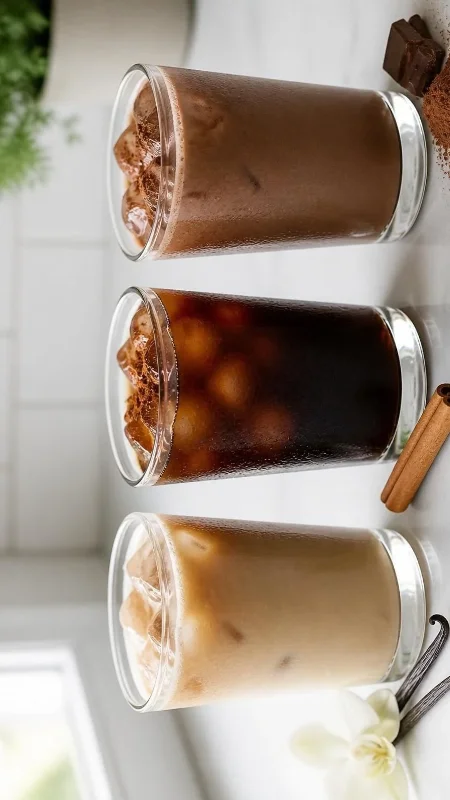
Whether you prefer strong black coffee, creamy vanilla almond milk, warm cinnamon flavors, or rich chocolate notes, there are plenty of ways to enjoy iced coffee without adding sugar.
Table of Contents
Homemade iced coffee also gives you control over the ingredients, sweetness, caffeine strength, and portion size.
That can be especially useful if you’re trying to reduce added sugar or replace expensive coffee shop drinks with simpler alternatives.
However, it’s important to remember that sugar-free doesn’t always mean calorie-free. Milk, cream, and certain plant-based beverages can contribute calories and naturally occurring sugars.
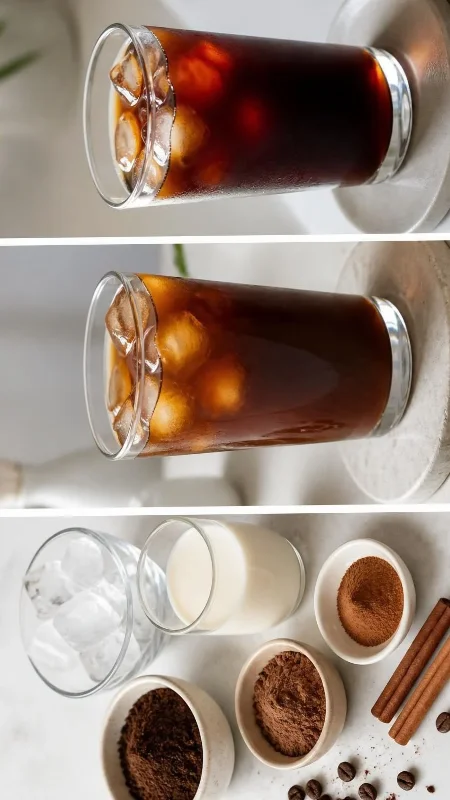
In this guide, you’ll discover five easy iced coffee recipes, learn how to choose ingredients, compare nutritional estimates, and find practical advice for preparing, storing, and enjoying your drinks safely.
Why Make Sugar Free Iced Coffee at Home?
Many coffee shop beverages contain added sugar from syrups, flavored sauces, sweetened milk products, or toppings.
Making iced coffee at home allows you to choose exactly what goes into your drink.
It also makes it easier to adjust the flavor without depending on sugar for sweetness.
Control Added Sugar and Ingredients
Plain brewed coffee contains very few calories and little to no sugar.
When you prepare coffee yourself, you can leave out sweetened syrups and choose unsweetened milk alternatives.
For example, a simple iced coffee made with black coffee and ice contains almost no sugar.
Adding unsweetened almond milk provides a creamier texture while generally contributing relatively few calories, although exact amounts vary by brand.
Dairy milk naturally contains lactose, so coffee made with milk may contain no added sugar while still having some total sugar.
Always check nutrition labels if you need to monitor carbohydrate intake.
Customize Flavor Without Sweet Syrups
Sugar isn’t necessary for creating interesting coffee flavors.
Vanilla extract, cinnamon, cocoa powder, and coffee beans with naturally chocolatey or nutty flavor notes can add variety.
These ingredients change the aroma and taste without requiring conventional sugar.
If you enjoy sweet coffee, you can also consider a non-sugar sweetener.
However, not everyone needs or prefers sweeteners.
Save Money and Preparation Time
Homemade iced coffee requires basic ingredients and minimal equipment.
You can prepare brewed coffee ahead of time, refrigerate it, and assemble drinks quickly.
This is especially convenient during warm weather or busy mornings.
For more beverage inspiration, explore our smoothies and drinks collection.
Ingredients for Homemade Sugar Free Iced Coffee
The foundation of a good iced coffee is simple: coffee, ice, and optional flavorings.
The quality and strength of the brewed coffee can make a noticeable difference.
Choosing the Right Coffee
You can use:
- Regular brewed coffee.
- Coffee prepared in a French press.
- Espresso diluted with water or milk.
- Cold brew concentrate diluted according to its strength.
- Decaffeinated coffee.
For traditional iced coffee, brew coffee slightly stronger than usual if you plan to pour it over ice.
As the ice melts, the drink becomes more diluted.
Allowing the coffee to cool before assembly helps slow this process.
Milk and Unsweetened Alternatives
Milk can create a smoother texture.
Different options contribute different amounts of calories, protein, fat, and naturally occurring sugar.
| Milk Option | Typical Characteristics | Important Consideration |
|---|---|---|
| Unsweetened almond milk | Light, mild, generally low in calories | Usually low in protein |
| Unsweetened soy milk | Creamy, provides plant protein | Calories vary by brand |
| Unsweetened oat milk | Smooth and naturally mild | May contain carbohydrates and sugars |
| Low-fat dairy milk | Creamy, provides protein | Contains naturally occurring lactose |
| Unsweetened coconut beverage | Mild coconut flavor | Nutrition varies by product |
| No milk | Strong coffee flavor | Minimal calories |
Choose products labeled “unsweetened” and check the Nutrition Facts panel.
An unsweetened product may still contain total sugars or carbohydrates.
Natural Flavorings Without Added Sugar
Flavorful additions include vanilla extract, cinnamon, unsweetened cocoa powder, cardamom, and nutmeg.
A small amount can change the flavor of coffee considerably.
Use extracts intended for food preparation and follow reasonable serving quantities.
Optional Non-Sugar Sweeteners
If you prefer sweetened iced coffee, options may include stevia-based or monk-fruit-based sweeteners.
Check ingredient labels because some products contain other sweetening ingredients or sugar alcohols.
Non-sugar sweeteners aren’t necessary for these recipes, and choosing them doesn’t automatically make a beverage more nutritious.
How to Make Classic Sugar Free Iced Coffee
This basic recipe is the foundation for the variations below.
It’s simple, refreshing, and requires no special equipment.
Recipe Overview
| Detail | Information |
|---|---|
| Recipe | Classic Sugar Free Iced Coffee |
| Prep Time | 5 minutes |
| Cook Time | 5 minutes |
| Cooling Time | 20 minutes |
| Total Time | 30 minutes |
| Servings | 1 |
| Serving Size | Approximately 12 fl oz, depending on ice |
| Difficulty | Easy |
| Method | Brew, cool, and serve |
Ingredients
| Ingredient | Amount |
|---|---|
| Brewed black coffee | 1 cup / 240 ml |
| Ice cubes | 1 cup |
| Cold water | 1/4 cup / 60 ml, optional |
| Ground cinnamon | A pinch, optional |
| Vanilla extract | 1/8 teaspoon, optional |
Step-by-Step Instructions
Step 1: Brew the coffee.
Prepare one cup of coffee using your preferred brewing method.
If you enjoy a stronger flavor, brew it slightly stronger than usual.
Step 2: Cool the coffee.
Transfer the brewed coffee to a clean, heat-safe container.
Allow it to cool briefly, then refrigerate promptly until chilled.
Do not leave brewed coffee at room temperature for extended periods.
Step 3: Prepare the glass.
Fill a tall glass with ice cubes.
Use a glass suitable for cold drinks.
Step 4: Add the coffee.
Pour the chilled coffee over the ice.
Add cold water if you prefer a milder flavor.
Step 5: Add optional flavorings.
Stir in a pinch of cinnamon or a small amount of vanilla extract.
Step 6: Serve immediately.
Enjoy while cold.
Estimated Nutrition Per Serving
| Nutrient | Approximate Amount |
|---|---|
| Calories | 2 kcal |
| Protein | 0 g |
| Carbohydrates | 0 g |
| Total Sugar | 0 g |
| Added Sugar | 0 g |
| Fat | 0 g |
Nutrition estimates assume black coffee without milk or sweetener and are rounded.
Actual values depend on preparation and serving size.
5 Easy Sugar Free Iced Coffee Recipes
These five recipes use simple ingredients while offering different flavor profiles.
The first is the classic version described above.
1. Classic Black Iced Coffee
Best for: People who enjoy a strong coffee flavor without milk or sweetener.
Prep time: 5 minutes
Cook time: 5 minutes
Cooling time: 20 minutes
Servings: 1
Ingredients
| Ingredient | Amount |
|---|---|
| Brewed black coffee | 1 cup |
| Ice cubes | 1 cup |
| Cold water | 1/4 cup, optional |
Instructions
- Brew one cup of black coffee.
- Cool and refrigerate until chilled.
- Fill a glass with ice.
- Pour the chilled coffee over the ice.
- Add water if desired.
- Stir and serve.
Estimated Nutrition
| Nutrient | Per Serving |
|---|---|
| Calories | 2 kcal |
| Protein | 0 g |
| Carbohydrates | 0 g |
| Added Sugar | 0 g |
Flavor tip: Choose medium-roast coffee if you prefer a smoother flavor.
2. Vanilla Almond Milk Iced Coffee
This creamy variation uses unsweetened almond milk and vanilla extract.
It has a mild flavor without requiring sweetened vanilla syrup.
Prep time: 5 minutes
Cook time: 0 minutes when using prepared coffee
Total time: 5 minutes
Servings: 1
Ingredients
| Ingredient | Amount |
|---|---|
| Chilled brewed coffee | 3/4 cup |
| Unsweetened almond milk | 1/2 cup |
| Ice cubes | 1 cup |
| Pure vanilla extract | 1/4 teaspoon |
| Ground cinnamon | A pinch, optional |
Instructions
- Fill a glass with ice.
- Pour in the chilled coffee.
- Add the unsweetened almond milk.
- Stir in the vanilla extract.
- Add cinnamon if desired.
- Mix gently and serve.
Estimated Nutrition
| Nutrient | Per Serving |
|---|---|
| Calories | 20 kcal |
| Protein | Less than 1 g |
| Carbohydrates | 1 g |
| Total Sugar | 0 g |
| Added Sugar | 0 g |
| Fat | 1.5 g |
Values vary with the almond milk brand.
Recipe tip: Use chilled almond milk to keep the drink refreshing.
If you need to avoid almonds, choose another suitable unsweetened milk alternative.
3. Cinnamon Iced Coffee
Cinnamon adds aroma and a warm, slightly sweet impression without adding sugar.
This recipe works well with black coffee or a splash of unsweetened milk.
Prep time: 5 minutes
Cook time: 0 minutes when using prepared coffee
Total time: 5 minutes
Servings: 1
Ingredients
| Ingredient | Amount |
|---|---|
| Chilled brewed coffee | 1 cup |
| Ice cubes | 1 cup |
| Ground cinnamon | 1/4 teaspoon |
| Unsweetened almond milk | 2 tablespoons |
| Vanilla extract | 1/8 teaspoon |
Instructions
- Add the ground cinnamon to a small amount of coffee.
- Stir thoroughly to distribute the spice.
- Fill a glass with ice.
- Pour in the remaining chilled coffee.
- Add the cinnamon mixture.
- Stir in the almond milk and vanilla.
- Serve immediately.
Estimated Nutrition
| Nutrient | Per Serving |
|---|---|
| Calories | 10 kcal |
| Protein | 0 g |
| Carbohydrates | 1 g |
| Total Sugar | 0 g |
| Added Sugar | 0 g |
Flavor tip: Ground cinnamon doesn’t dissolve completely in cold liquids.
For a smoother drink, steep a cinnamon stick in hot coffee during brewing, then remove it before chilling.
4. Sugar Free Iced Mocha
Chocolate-flavored coffee doesn’t necessarily need chocolate syrup.
Unsweetened cocoa powder provides rich chocolate flavor without added sugar.
This recipe uses almond milk for a smooth consistency.
Prep time: 5 minutes
Cook time: 0 minutes when using prepared coffee
Total time: 5 minutes
Servings: 1
Ingredients
| Ingredient | Amount |
|---|---|
| Chilled brewed coffee | 3/4 cup |
| Unsweetened almond milk | 1/2 cup |
| Unsweetened cocoa powder | 1 teaspoon |
| Ice cubes | 1 cup |
| Vanilla extract | 1/8 teaspoon |
| Optional non-sugar sweetener | To taste |
Instructions
- Place the cocoa powder in a small bowl.
- Add 1 tablespoon of coffee and stir into a smooth paste.
- Gradually mix in the remaining coffee.
- Fill a glass with ice.
- Pour in the chocolate coffee mixture.
- Add the almond milk and vanilla.
- Stir until combined.
- Add an optional sweetener if desired.
Estimated Nutrition
| Nutrient | Per Serving |
|---|---|
| Calories | 25 kcal |
| Protein | 1 g |
| Carbohydrates | 2 g |
| Total Sugar | Less than 1 g |
| Added Sugar | 0 g |
| Fat | 1.5 g |
Recipe tip: Natural unsweetened cocoa powder provides chocolate flavor but is not naturally sweet.
If you’re accustomed to sweetened mocha drinks, expect a more bittersweet taste.
5. Unsweetened Cold Brew Coffee
Cold brew is prepared by steeping coffee grounds in cold or room-temperature water rather than brewing with hot water.
It often has a smoother perceived flavor, although the taste depends on the beans, grind size, and brewing method.
Cold brew requires more preparation time but very little hands-on work.
Prep time: 5 minutes
Steeping time: 12 hours
Total time: 12 hours 5 minutes
Servings: Approximately 4
Ingredients
| Ingredient | Amount |
|---|---|
| Coarsely ground coffee | 1/2 cup, approximately 40 g |
| Cold drinking water | 4 cups / 960 ml |
| Ice cubes | As needed for serving |
Instructions
- Add the coarsely ground coffee to a clean pitcher or jar.
- Pour in four cups of cold water.
- Stir gently to moisten the coffee grounds.
- Cover the container.
- Refrigerate for approximately 12 hours.
- Strain through a coffee filter or fine-mesh strainer lined with a suitable filter.
- Transfer the filtered coffee to a clean container.
- Serve approximately one cup over ice.
Estimated Nutrition Per Serving
| Nutrient | Approximate Amount |
|---|---|
| Calories | 2 kcal |
| Protein | 0 g |
| Carbohydrates | 0 g |
| Added Sugar | 0 g |
| Fat | 0 g |
Important: Caffeine content is not reliably determined by calories, coffee color, or perceived strength.
Cold brew can contain substantial caffeine depending on the coffee-to-water ratio and serving size.
This recipe is intended as a ready-to-drink brew rather than a concentrated product.
Nutrition Comparison of the Five Recipes
The calorie content of homemade iced coffee depends mainly on added ingredients.
| Recipe | Estimated Calories | Added Sugar | Milk Included |
|---|---|---|---|
| Classic Black Iced Coffee | 2 | 0 g | No |
| Vanilla Almond Milk Iced Coffee | 20 | 0 g | Almond milk |
| Cinnamon Iced Coffee | 10 | 0 g | Almond milk |
| Sugar Free Iced Mocha | 25 | 0 g | Almond milk |
| Unsweetened Cold Brew | 2 | 0 g | No |
These are estimates for the specified recipes, not values for all products marketed as sugar-free.
All five recipes contain no intentionally added sugar when prepared with the specified ingredients.
The almond milk versions should be made with products labeled unsweetened.
If a product contains naturally occurring sugar, the finished beverage may not qualify as strictly sugar-free under applicable food-labeling definitions.
How to Make Iced Coffee Taste Better Without Sugar
Removing sugar doesn’t mean sacrificing flavor.
Several preparation techniques can make homemade iced coffee more enjoyable.
Choose Coffee You Already Enjoy
Coffee beans vary in acidity, bitterness, and flavor.
Some coffees have naturally nutty, chocolatey, or fruity tasting notes.
Experiment with different roasts to find one you enjoy without sweeteners.
Avoid Over-Dilution
Adding hot coffee directly to ice can melt the ice quickly.
For stronger flavor, chill the coffee before serving.
You can also prepare coffee ice cubes.
Add Spices
Cinnamon, cardamom, and nutmeg can introduce aromatic flavors.
Start with small amounts because ground spices can become overpowering.
Experiment With Milk Alternatives
Unsweetened soy, almond, or other plant-based beverages can change the texture and flavor.
Compare nutrition labels if calories, protein, or carbohydrates are important to you.
Use Coffee Ice Cubes
Pour cooled coffee into a clean ice cube tray.
Freeze until solid.
Use the cubes instead of regular ice to reduce dilution as they melt.
For more refreshing homemade drink ideas, visit our healthy smoothie recipes guide.
Sugar Free Iced Coffee and Weight Management
Replacing a sugar-sweetened coffee drink with unsweetened coffee may reduce calorie intake, especially when the original drink contains large amounts of syrup, sugar, cream, or toppings.
However, a single beverage choice does not determine whether someone loses weight.
Body weight is influenced by overall dietary patterns, energy intake, physical activity, sleep, medications, and individual health factors.
Does Sugar Free Iced Coffee Have Fewer Calories?
Plain black coffee is very low in calories.
Removing added sugar can reduce the energy content of a drink.
For example, one teaspoon of granulated sugar contributes approximately 16 calories.
A beverage containing several teaspoons of added sugar will therefore contain more calories than the same coffee served without those additions.
Milk, cream, and flavored products can contribute additional calories.
Does Iced Coffee Burn Fat?
Caffeine can temporarily influence alertness and certain aspects of metabolism.
However, these effects should not be interpreted as evidence that drinking iced coffee produces meaningful or sustained weight loss.
There is insufficient justification for presenting sugar-free coffee as a standalone weight-loss strategy.
Can Coffee Affect Blood Sugar?
Plain black coffee contains minimal carbohydrate, so it does not provide a substantial amount of sugar.
Nevertheless, caffeine can affect glucose regulation in some people.
Individuals with diabetes may respond differently to caffeine, and responses can depend on medications, habitual caffeine intake, and other factors.
If you monitor blood glucose, your own readings and guidance from a qualified healthcare professional are more useful than assuming all unsweetened coffee has no effect.
A Practical Approach
Choose coffee drinks you enjoy and can comfortably include in your routine.
If you’re reducing added sugar, switching to unsweetened coffee is one possible strategy.
But avoid treating coffee as a substitute for balanced meals or adequate sleep.
How Much Caffeine Is in Iced Coffee?
Caffeine content varies considerably.
Factors include coffee bean type, brewing method, serving size, and concentration.
A strong cold brew can contain more caffeine than a smaller serving of regular brewed coffee.
General Caffeine Recommendations
The FDA states that for most healthy adults, 400 mg of caffeine per day is an amount not generally associated with dangerous negative effects.
This is not a recommended daily target.
Some people experience unwanted effects at much lower intakes.
Possible symptoms of excessive caffeine include:
- Difficulty sleeping.
- Nervousness or anxiety.
- Increased heart rate.
- Palpitations.
- Digestive discomfort.
- Headaches.
If caffeine causes these symptoms, reducing intake may help.
Pregnancy and Caffeine
People who are pregnant or planning pregnancy should discuss caffeine intake with their healthcare professional.
ACOG guidance commonly recommends limiting caffeine intake during pregnancy to less than 200 mg per day.
Total intake includes coffee, tea, energy drinks, chocolate, and other caffeine sources.
Caffeine Sensitivity and Sleep
Caffeine sensitivity varies.
Some people can drink coffee in the afternoon without noticing sleep problems.
Others may experience sleep disruption after much smaller amounts.
Caffeine can remain active in the body for several hours.
If you notice sleep difficulties, consider drinking coffee earlier in the day or switching to decaffeinated coffee.
For related lifestyle guidance, explore our healthy habits resources.
Decaffeinated Alternatives
Decaffeinated coffee can be used in all five recipes.
It generally contains much less caffeine than regular coffee, although it is not necessarily completely caffeine-free.
You can also create similar chilled drinks with caffeine-free herbal infusions, but those would no longer be coffee recipes.
How to Store Homemade Iced Coffee Safely
Proper storage helps preserve flavor and reduces food safety risks.
Coffee made with milk or other perishable ingredients requires particular attention.
Refrigerating Brewed Coffee
Store brewed coffee in a clean, covered container in the refrigerator at 40°F (4°C) or below.
For best flavor, use plain brewed coffee within about 24–48 hours.
This is a quality recommendation rather than a USDA-established maximum safe storage period specifically for black coffee.
Storing Coffee With Milk
When iced coffee contains dairy milk or another refrigerated milk alternative, keep it cold.
Refrigerate promptly after preparation.
Do not leave perishable coffee drinks at room temperature for more than two hours, or more than one hour when temperatures exceed 90°F (32°C).
For best quality, prepare milk-based iced coffee shortly before drinking.
Storing Cold Brew
Refrigerate cold brew while it steeps and after filtering.
Use clean containers and utensils.
For homemade cold brew, a conservative approach is to prepare small batches and consume them within a few days.
There is no single universal storage duration that guarantees the safety of every homemade cold brew because preparation conditions vary.
Preparing Coffee Ice Cubes
Cool brewed coffee promptly.
Pour it into a clean ice cube tray and freeze.
Transfer the frozen cubes to a covered freezer-safe container to reduce odor absorption.
Use clean utensils when handling the cubes.
Common Mistakes to Avoid
Using Sweetened Milk by Accident
Some vanilla-flavored milk products contain added sugar.
Check the Nutrition Facts label rather than assuming that plant-based milk is unsweetened.
Confusing Sugar-Free With Calorie-Free
A beverage can contain no added sugar while still providing calories from milk, cream, or fats.
Adding Too Much Ice to Weak Coffee
Ice dilutes coffee as it melts.
Use chilled coffee or coffee ice cubes to maintain flavor.
Assuming Cold Brew Always Has Less Caffeine
Cold brew caffeine content depends on preparation and dilution.
Some products are concentrated and need to be mixed with water or milk.
Drinking Coffee Too Late
Even unsweetened coffee can affect sleep because of its caffeine content.
Using Coffee Instead of Meals
Coffee is a beverage, not a nutritionally complete meal.
Pair it with appropriate food when needed rather than relying on caffeine to suppress hunger.
Frequently Asked Questions About Sugar Free Iced Coffee
Is Sugar Free Iced Coffee Really Sugar-Free?
Plain black iced coffee contains negligible sugar.
However, coffee made with dairy milk or certain plant-based beverages may contain naturally occurring sugars.
A drink described as “without added sugar” is not necessarily completely sugar-free.
Can I Make Iced Coffee Without Milk?
Yes.
Classic black iced coffee and unsweetened cold brew require only coffee, water, and ice.
You can add cinnamon or vanilla extract for flavor.
What Is the Best Milk for Low-Sugar Iced Coffee?
Unsweetened almond milk is often low in calories and sugar.
Unsweetened soy milk generally provides more protein.
The best option depends on your preferences, allergies, nutritional needs, and product availability.
Always compare labels.
Can Sugar Free Iced Coffee Help With Weight Loss?
Replacing higher-calorie sweetened drinks with lower-calorie alternatives may help reduce overall calorie intake.
However, drinking sugar-free iced coffee does not independently guarantee weight loss.
Long-term weight management depends on broader lifestyle and health factors.
Is Cold Brew Stronger Than Iced Coffee?
Not necessarily.
Cold brew may taste smoother, but caffeine strength depends on the brewing ratio, steeping time, and dilution.
Check packaged cold brew labels for serving sizes and caffeine information when available.
Can I Drink Iced Coffee Every Day?
Many adults can include coffee in their daily routine.
However, caffeine tolerance and medical circumstances vary.
Pay attention to total caffeine intake, sleep quality, and any symptoms such as palpitations or anxiety.
People with particular health conditions or medication concerns should seek individualized advice.
How Do I Make Iced Coffee Creamy Without Sugar?
Add unsweetened almond milk, unsweetened soy milk, or another suitable milk alternative.
For a richer texture, use a small amount of dairy milk or cream, keeping in mind that this changes the calorie and sugar content.
Can I Prepare Iced Coffee the Night Before?
Yes.
Prepare plain coffee, cool it promptly, and refrigerate it in a clean, covered container.
Add ice and milk shortly before serving for the best flavor and texture.
Final Thoughts
Sugar free iced coffee is an easy, refreshing drink you can prepare at home with just a few ingredients.
Whether you prefer classic black coffee, creamy vanilla almond milk, cinnamon, chocolate-flavored mocha, or unsweetened cold brew, each recipe offers a way to enjoy coffee without adding conventional sugar.
Making your own iced coffee also allows you to control the serving size, choose unsweetened ingredients, and adjust the flavor to your preferences.
Remember that drinks containing milk may have naturally occurring sugar, and even coffee without added sugar can contain caffeine that affects sleep or blood glucose responses in some people.
For a simple starting point, prepare a cup of coffee, chill it, and serve it over ice. From there, experiment with spices, vanilla, cocoa, and your preferred milk alternatives.
With a little preparation, homemade iced coffee can become a convenient part of your beverage routine.
Disclaimer: This article is for general educational purposes and is not medical or professional advice. Please consult a qualified healthcare professional before making changes to your diet, exercise, or health routine. See our Medical Disclaimer.