
Starting a Mediterranean-style eating routine doesn’t require expensive specialty foods or a completely new kitchen.
With a practical Mediterranean diet grocery list, you can build satisfying meals around everyday ingredients such as vegetables, fruit, beans, whole grains, olive oil, nuts, and seafood.
The Mediterranean diet is best understood as an overall eating pattern rather than a strict list of foods you must eat.
It emphasizes plant foods, unsaturated fats, and a variety of minimally processed ingredients.
Table of Contents
Fish and seafood are commonly included, while dairy, eggs, and poultry may be enjoyed in moderate amounts according to individual preferences.
For beginners, the challenge is often knowing what to buy and how to turn those groceries into actual meals.
This guide makes the process easier.
You’ll find a categorized shopping list, suggested weekly quantities, affordable alternatives, pantry staples, and a simple Mediterranean chickpea and quinoa bowl recipe.
You’ll also learn how to plan meals efficiently and store ingredients safely.
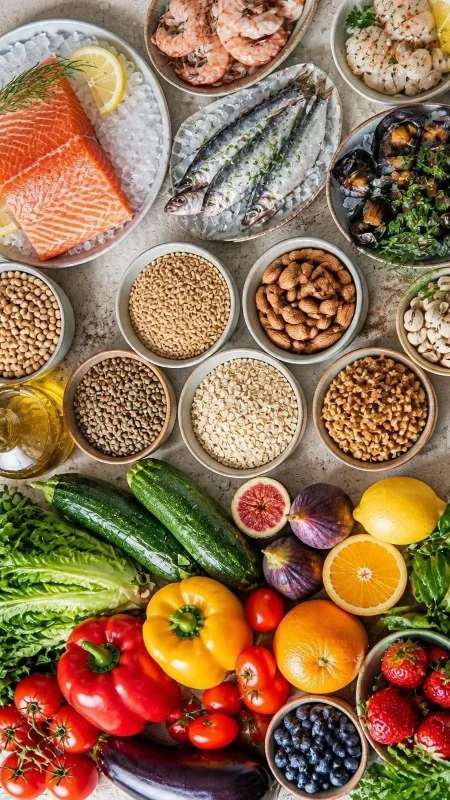
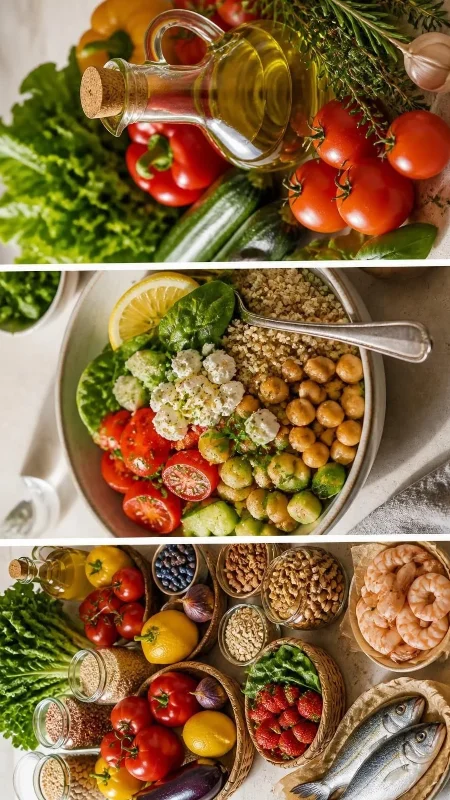
What Foods Belong on a Mediterranean Diet Grocery List?
A Mediterranean-style shopping list focuses on ingredients that can be combined in different ways.
Instead of purchasing separate foods for every recipe, choose versatile staples that work across several meals.
Vegetables and Fruits
Vegetables and fruits are central components of Mediterranean-style eating.
Choose a variety of colors, textures, and seasonal options.
Useful vegetables include spinach, tomatoes, cucumbers, bell peppers, carrots, broccoli, zucchini, eggplant, and onions.
Popular fruit choices include oranges, apples, berries, grapes, lemons, and pears.
Fresh produce is convenient, but frozen vegetables and fruit can also be nutritious options.
Choose frozen products without added sauces, excessive sodium, or added sugar when possible.
Whole Grains
Whole grains provide carbohydrates and can contribute dietary fiber.
Good options include brown rice, oats, quinoa, barley, bulgur, farro, and whole-wheat pasta.
Whole-grain bread is another useful staple.
You don’t need to buy every variety.
Choose two or three grains you enjoy and can use repeatedly.
Beans, Lentils, and Chickpeas
Legumes are among the most versatile Mediterranean pantry foods.
They contribute plant protein, fiber, and carbohydrates.
Useful choices include:
- Chickpeas.
- Lentils.
- White beans.
- Black beans.
- Kidney beans.
- Split peas.
Canned beans are convenient and can reduce cooking time.
Choose no-salt-added varieties when available, or drain and rinse canned beans to reduce some of their sodium.
Dried legumes are often economical for larger households.
Olive Oil, Nuts, and Seeds
Extra-virgin olive oil is a common source of fat in Mediterranean-style cooking.
It contains predominantly monounsaturated fatty acids.
Nuts and seeds also provide unsaturated fats and other nutrients.
Useful choices include almonds, walnuts, pistachios, pumpkin seeds, and sesame seeds.
Because oils, nuts, and seeds are energy-dense, portion sizes remain relevant.
Fish and Seafood
Fish and seafood are commonly included in Mediterranean eating patterns.
Examples include salmon, sardines, trout, tuna, shrimp, and other seafood.
Some fish provide EPA and DHA omega-3 fatty acids.
Mercury exposure should be considered, particularly for children and people who are pregnant or breastfeeding.
The FDA recommends choosing a variety of lower-mercury fish and seafood.
Frozen fish and canned sardines can be affordable alternatives to fresh seafood.
Dairy, Eggs, and Poultry
Mediterranean-style eating can include yogurt, cheese, eggs, and poultry.
Plain Greek yogurt is useful for breakfast, snacks, and sauces.
Feta and other cheeses can add flavor in modest quantities.
Eggs and chicken can also be incorporated into meals.
The exact amounts depend on personal preferences, nutritional needs, and overall eating patterns.
Herbs, Spices, and Flavorings
Herbs and spices help make simple ingredients enjoyable.
Common choices include oregano, basil, parsley, rosemary, thyme, cumin, garlic, and black pepper.
Lemon juice, vinegar, and mustard are useful for dressings.
Using herbs and citrus can also help add flavor without relying exclusively on salt.
Complete Mediterranean Diet Grocery List
The following table provides a practical overview of Mediterranean foods to buy.
| Food Category | Grocery Items | Common Uses |
|---|---|---|
| Leafy vegetables | Spinach, kale, romaine | Salads, bowls, cooked dishes |
| Other vegetables | Tomatoes, peppers, cucumbers, carrots, broccoli | Roasting, snacking, salads |
| Fruits | Apples, berries, oranges, grapes, lemons | Breakfast, snacks, desserts |
| Whole grains | Oats, brown rice, quinoa, whole-wheat pasta | Breakfast, lunch, dinner |
| Legumes | Chickpeas, lentils, white beans | Soups, salads, bowls |
| Healthy fat sources | Extra-virgin olive oil, nuts, seeds | Cooking, dressings, toppings |
| Fish and seafood | Salmon, sardines, trout, shrimp | Main meals |
| Poultry and eggs | Chicken breast, eggs | Protein sources |
| Dairy | Plain yogurt, feta cheese | Breakfast, sauces, toppings |
| Herbs and spices | Oregano, parsley, garlic, cumin | Flavoring |
| Pantry extras | Canned tomatoes, vinegar, mustard | Cooking and dressings |
You don’t need to purchase everything at once.
Start with a few ingredients from each category and expand your pantry gradually.
For a broader explanation of Mediterranean-style eating, visit our Mediterranean diet complete guide.
Mediterranean Pantry Staples to Keep at Home
A well-stocked pantry makes it easier to prepare meals without frequent grocery trips.
Focus on shelf-stable ingredients that can be combined with fresh produce.
Essential Pantry Checklist
| Ingredient | Suggested Starting Quantity | Storage |
|---|---|---|
| Extra-virgin olive oil | 1 small bottle | Cool, dark cupboard |
| Rolled oats | 1 container | Airtight pantry storage |
| Brown rice | 1 bag | Dry pantry |
| Quinoa | 1 bag | Dry pantry |
| Canned chickpeas | 2–3 cans | Pantry |
| Canned lentils | 1–2 cans | Pantry |
| Canned tomatoes | 2 cans | Pantry |
| Canned sardines | 1–2 cans | Pantry |
| Unsalted almonds | 1 small bag | Cool storage |
| Walnuts | 1 small bag | Refrigerate for longer freshness |
| Dried oregano | 1 jar | Pantry |
| Ground cumin | 1 jar | Pantry |
| Black pepper | 1 jar | Pantry |
| Vinegar | 1 bottle | Follow label instructions |
These foods can support many simple meals.
For example, canned chickpeas, olive oil, lemon, and herbs can become a quick salad.
Brown rice, lentils, and roasted vegetables can create a filling grain bowl.
Whole-wheat pasta, canned tomatoes, and vegetables can form the basis of an easy dinner.
Beginner Mediterranean Shopping List for One Week
This example provides suggested grocery quantities for one adult preparing a variety of meals over seven days.
It is not a complete individualized nutrition plan.
Actual needs depend on appetite, energy requirements, household size, and the number of meals prepared at home.
Weekly Shopping Table
| Category | Food | Suggested Quantity |
|---|---|---|
| Vegetables | Baby spinach | 1 bag, approximately 5 oz |
| Vegetables | Cherry tomatoes | 1 pint |
| Vegetables | Cucumbers | 2 |
| Vegetables | Bell peppers | 3 |
| Vegetables | Broccoli | 1 large head |
| Vegetables | Carrots | 1 lb |
| Vegetables | Red onion | 1 |
| Fruit | Apples | 4 |
| Fruit | Oranges | 3 |
| Fruit | Berries | 1 small container |
| Fruit | Lemons | 3 |
| Whole grains | Rolled oats | 1 small container |
| Whole grains | Brown rice | 1 cup dry |
| Whole grains | Quinoa | 1 cup dry |
| Legumes | Chickpeas | 2 cans |
| Legumes | Lentils | 2 cans |
| Seafood | Salmon or another suitable fish | 2 portions |
| Protein | Eggs | 6 |
| Dairy | Plain Greek yogurt | 1 medium container |
| Dairy | Feta cheese | 1 small package |
| Healthy fats | Extra-virgin olive oil | As needed |
| Healthy fats | Walnuts or almonds | 1 small bag |
| Pantry | Dried oregano | As needed |
| Pantry | Garlic powder | As needed |
| Pantry | Black pepper | As needed |
How to Use This Shopping List
The quantities are intended to support a flexible selection of meals rather than a rigid seven-day menu.
For example:
- Oats, yogurt, berries, and nuts can be used for breakfast.
- Chickpeas, quinoa, and vegetables can become lunch bowls.
- Salmon, rice, and broccoli can form a simple dinner.
- Lentils and canned tomatoes can be used in soup.
- Apples, oranges, and nuts can be enjoyed as snacks.
Add or reduce quantities based on your needs.
For complete meal schedules, explore our Mediterranean meal plans.
How to Shop for the Mediterranean Diet on a Budget
Mediterranean-style eating doesn’t require premium imported ingredients.
Many of its staples are relatively affordable.
Choose Beans and Lentils Regularly
Dried and canned legumes can provide convenient, economical protein.
Use them in soups, salads, and grain bowls.
Buy Seasonal Produce
Seasonal vegetables and fruit may be less expensive and more flavorful.
Frozen produce can also be a practical choice.
Use Frozen Fish
Frozen fish can offer convenience and reduce waste.
Compare prices per pound and choose products without unnecessary breading or sauces.
Buy Store-Brand Whole Grains
Store-brand oats, rice, and whole-wheat pasta can be nutritionally comparable to more expensive alternatives.
Avoid Buying Too Many Specialty Foods
You don’t need imported olives, specialty cheeses, or expensive supplements to follow a Mediterranean-style eating pattern.
Ordinary vegetables, grains, beans, olive oil, and herbs can form the foundation.
Plan Around Shared Ingredients
Use the same vegetables in several meals.
For example, bell peppers can be added to salads, roasted with dinner, or mixed into grain bowls.
This approach can reduce food waste.
Easy Mediterranean Chickpea and Quinoa Bowl Recipe
This simple recipe demonstrates how to turn Mediterranean grocery staples into a satisfying meal.
It combines quinoa, chickpeas, fresh vegetables, feta, and lemon-olive oil dressing.
Recipe Overview
| Detail | Information |
|---|---|
| Recipe Name | Mediterranean Chickpea and Quinoa Bowl |
| Prep Time | 15 minutes |
| Cook Time | 15 minutes |
| Total Time | 30 minutes |
| Servings | 2 |
| Difficulty | Easy |
| Meal Type | Lunch or Light Dinner |
| Cooking Method | Stovetop |
Ingredients
| Ingredient | Quantity |
|---|---|
| Dry quinoa | 1/2 cup |
| Water for cooking quinoa | 1 cup |
| Canned chickpeas, drained and rinsed | 1 cup |
| Cherry tomatoes, halved | 1 cup |
| Cucumber, diced | 1/2 cup |
| Baby spinach | 1 cup |
| Crumbled feta cheese | 1 oz / 28 g |
| Extra-virgin olive oil | 1 tablespoon |
| Fresh lemon juice | 2 tablespoons |
| Dried oregano | 1/2 teaspoon |
| Black pepper | 1/4 teaspoon |
Step-by-Step Instructions
Step 1: Rinse the quinoa.
Place the dry quinoa in a fine-mesh strainer.
Rinse thoroughly under running water.
Step 2: Cook the quinoa.
Combine the rinsed quinoa and one cup of water in a saucepan.
Bring to a boil.
Reduce the heat, cover, and simmer according to package directions, generally around 15 minutes.
Remove from the heat and fluff with a fork.
Step 3: Prepare the chickpeas.
Drain and rinse the canned chickpeas.
Set aside.
Step 4: Chop the vegetables.
Wash the tomatoes, cucumber, and spinach.
Halve the tomatoes and dice the cucumber.
Dry the spinach thoroughly.
Step 5: Prepare the dressing.
In a small bowl, whisk together the olive oil, lemon juice, oregano, and black pepper.
Step 6: Assemble the bowls.
Divide the cooked quinoa between two serving bowls.
Add equal portions of chickpeas, tomatoes, cucumber, and spinach.
Step 7: Add the toppings.
Sprinkle the feta cheese over the bowls.
Drizzle with the lemon dressing.
Step 8: Serve.
Serve immediately.
If preparing in advance, refrigerate promptly and keep the dressing separate until serving.
Estimated Nutrition Per Serving
| Nutrient | Approximate Amount |
|---|---|
| Calories | 470 kcal |
| Protein | 19 g |
| Carbohydrates | 58 g |
| Total Fat | 19 g |
| Dietary Fiber | 12 g |
| Saturated Fat | 4 g |
These estimates are preliminary and depend on ingredient brands, cooked quinoa yield, and actual portion sizes.
Recipe Variations
For a dairy-free option, omit feta.
For additional protein, add cooked chicken or another preferred protein.
For more vegetables, include chopped bell pepper or roasted zucchini.
For additional flavor, add fresh parsley or a small amount of garlic.
Remember that substitutions can change the nutritional values.
How to Turn Your Groceries Into a Week of Meals
A Mediterranean diet grocery list becomes more useful when paired with a simple meal preparation routine.
You don’t need to cook every meal from scratch.
Prepare a Few Ingredients in Advance
Choose one or two grains to cook.
Wash and chop vegetables.
Prepare a batch of beans or lentils.
Mix a simple olive oil and lemon dressing.
These ingredients can be combined into different meals throughout the week.
Example Weekly Meal Ideas
| Day | Breakfast | Lunch | Dinner |
|---|---|---|---|
| Monday | Oatmeal with berries | Chickpea quinoa bowl | Salmon with broccoli |
| Tuesday | Greek yogurt with fruit | Lentil salad | Vegetable pasta |
| Wednesday | Oatmeal with walnuts | Quinoa vegetable bowl | Chickpea tomato stew |
| Thursday | Eggs with whole-grain toast | Lentil soup | Fish with brown rice |
| Friday | Yogurt with berries | Mediterranean grain bowl | Vegetable and egg skillet |
| Saturday | Oatmeal with fruit | Chickpea salad | Whole-wheat pasta with vegetables |
| Sunday | Eggs and fruit | Leftover grain bowl | Roasted vegetables with lentils |
This is an example of meal variety, not a nutritionally complete or individualized seven-day meal plan.
Additional ingredients may be needed depending on serving sizes and household needs.
For broader planning ideas, visit our weekly meal plans collection.
How to Store Mediterranean Groceries Safely
Proper storage helps reduce food waste and foodborne illness risks.
Fresh Seafood and Poultry
Keep raw seafood and poultry refrigerated at 40°F (4°C) or below.
According to FoodSafety.gov, fresh raw fish and poultry generally should be cooked or frozen within one to two days.
Use a food thermometer when cooking foods that require a safe minimum internal temperature.
USDA recommends:
- Poultry: 165°F (74°C).
- Fish: 145°F (63°C), or until flesh is opaque and separates easily with a fork.
Keep raw animal foods separate from ready-to-eat foods.
Vegetables and Fruit
Wash fresh produce under running water before preparation.
Store refrigerated produce according to its type.
Keep cut vegetables and fruit refrigerated.
Avoid washing produce with soap or detergent.
Cooked Grains and Legumes
Refrigerate cooked grains and legumes promptly.
Place large batches into shallow containers to encourage rapid cooling.
Use most refrigerated cooked leftovers within three to four days.
Freeze portions intended for later use.
Olive Oil, Nuts, and Pantry Foods
Store olive oil in a tightly closed container away from heat and direct sunlight.
Keep dry grains and legumes in clean, dry containers.
Nuts can become rancid over time.
Refrigeration or freezing may help preserve their quality, particularly when storing larger quantities.
Follow package instructions and observe best-quality dates.
Common Mediterranean Grocery Shopping Mistakes
Buying Too Much Fresh Produce
Buying excessive produce can lead to waste.
Start with quantities you can realistically use.
Assuming All Mediterranean Foods Are Expensive
Beans, lentils, oats, rice, canned tomatoes, and seasonal vegetables are practical staples.
Focusing Only on Olive Oil
Olive oil is useful, but Mediterranean eating involves an overall dietary pattern.
Vegetables, legumes, fruit, and whole grains are equally important components.
Ignoring Portion Sizes
Nuts, oils, and cheeses provide flavor and nutrients but also contribute calories.
Buying Products Based Only on Marketing
Foods labeled “Mediterranean” are not automatically nutritious.
Compare ingredient lists and Nutrition Facts labels.
Forgetting Food Safety
Raw seafood, poultry, cooked grains, and prepared meals require appropriate handling and refrigeration.
Frequently Asked Questions
What Are the Most Important Mediterranean Diet Foods?
Vegetables, fruits, legumes, whole grains, olive oil, nuts, and seeds are central components.
Fish and seafood are commonly included.
The exact combination can vary with preferences, culture, budget, and dietary needs.
Can You Follow the Mediterranean Diet on a Budget?
Yes.
Choose affordable staples such as beans, lentils, oats, brown rice, canned tomatoes, and seasonal produce.
Frozen vegetables and fish can also help manage costs.
Do You Have to Eat Fish?
No.
Although fish is commonly included in Mediterranean-style eating patterns, vegetarian adaptations are possible.
Beans, lentils, tofu, nuts, seeds, and other foods can provide protein.
People who avoid fish should consider how to meet their individual omega-3 and other nutrient needs.
Is Olive Oil Necessary?
Olive oil is a traditional source of fat in Mediterranean cuisines.
However, the broader eating pattern matters more than any individual ingredient.
Other sources of unsaturated fats can also contribute to a balanced diet.
Can You Eat Bread and Pasta?
Yes.
Whole-grain bread and whole-wheat pasta can fit into Mediterranean-style eating.
Choose portions according to your energy needs and overall meal composition.
What Should Beginners Buy First?
Start with olive oil, oats, one or two whole grains, canned beans, vegetables, fruit, nuts, and a few herbs.
Add seafood, yogurt, eggs, or other protein foods according to preference.
Is the Mediterranean Diet Good for Heart Health?
Mediterranean-style dietary patterns have been associated with favorable cardiovascular outcomes in research.
However, benefits depend on the overall eating pattern and individual health circumstances.
No single food guarantees protection against heart disease.
Final Thoughts
A Mediterranean diet grocery list makes it easier to turn general healthy eating advice into practical meals.
By focusing on vegetables, fruit, legumes, whole grains, olive oil, nuts, and suitable protein sources, you can build a flexible shopping routine without relying on expensive specialty ingredients.
Start with a few versatile pantry staples, purchase fresh produce in realistic quantities, and plan meals around ingredients you already have.
The Mediterranean chickpea and quinoa bowl is one example of how these foods can come together in a quick, satisfying meal.
With thoughtful shopping, simple preparation, and safe storage, Mediterranean-style eating can become a convenient part of your weekly routine.
Disclaimer: This article is for general educational purposes and is not medical or professional advice. Please consult a qualified healthcare professional before making changes to your diet, exercise, or health routine. See our Medical Disclaimer.