
Healthy Asian Recipes: 7 Easy, Flavorful Dinners to Make at Home
Asian-inspired cooking offers countless ways to bring exciting flavors, colorful vegetables, and satisfying ingredients to the dinner table.
From ginger-garlic stir-fries and sesame rice bowls to fragrant soups and fresh herb salads, many dishes can be adapted for convenient home cooking.
The best part? You don’t need complicated techniques or a long list of specialty ingredients to prepare a nourishing meal.
Table of Contents
This collection of healthy Asian recipes features seven easy dinners inspired by different Asian culinary traditions. Each recipe combines practical cooking methods with vegetables, protein-rich ingredients, and flavorful seasonings.
You’ll also find lower-sodium cooking tips, meal preparation strategies, and nutritional estimates to help you make informed choices.
Whether you’re looking for quick Asian dinner ideas, plant-based meals, or new ways to enjoy chicken, fish, and vegetables, these recipes offer plenty of inspiration.
What Makes an Asian-Inspired Meal Healthy?
Asian cuisines are extraordinarily diverse, so no single nutritional description applies to every dish.
A nutritious meal can be prepared using many different cooking traditions, ingredients, and flavor combinations.
Rather than labeling entire cuisines as healthy or unhealthy, consider the nutritional balance of each meal.
Build Meals Around Vegetables and Protein
Vegetables contribute fiber, vitamins, minerals, and a wide variety of naturally occurring plant compounds.
Protein-rich foods support normal tissue maintenance and repair.
Practical options include chicken, fish, tofu, lean beef, eggs, beans, and lentils.
Stir-fries, soups, and rice bowls are convenient formats for combining these ingredients.
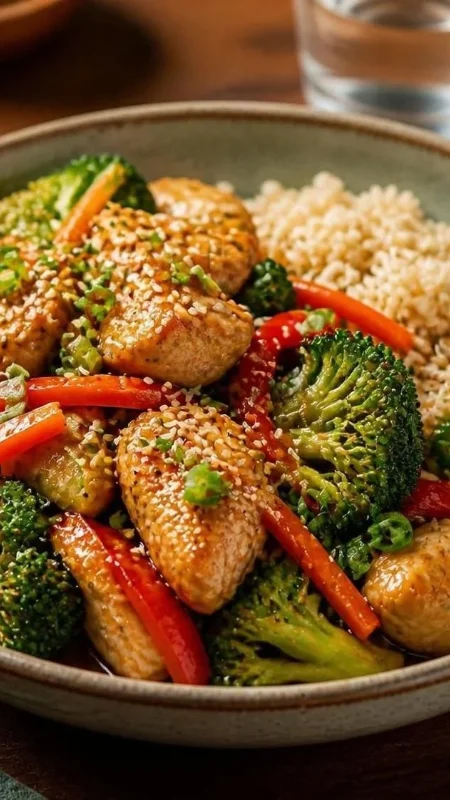
For example, a chicken stir-fry can include broccoli, carrots, bell peppers, and mushrooms.
Include Satisfying Carbohydrates
Rice, noodles, and other carbohydrate-rich foods are important parts of many Asian culinary traditions.
They can fit comfortably into a balanced eating pattern.
Brown rice, whole-grain noodles, and other whole grains generally provide more fiber than refined alternatives.
However, white rice and traditional noodles can also be enjoyed as part of balanced meals.
The key is to consider overall variety, portion sizes, and the other ingredients served alongside them.
Use Aromatics, Herbs, and Spices
Ginger, garlic, lemongrass, scallions, cilantro, basil, and chili peppers can add substantial flavor.
Using these ingredients may help reduce reliance on large quantities of salty sauces.
Acidic ingredients such as lime juice and rice vinegar can also brighten dishes.
Pay Attention to Sodium
Some commonly used sauces, including soy sauce, fish sauce, and certain prepared marinades, can be high in sodium.
The Dietary Guidelines for Americans recommend that most adults limit sodium to less than 2,300 milligrams per day.
Individual recommendations may differ depending on medical circumstances.
Choosing reduced-sodium sauces, measuring portions, and using fresh seasonings can help manage sodium intake.
7 Healthy Asian Recipes for Busy Weeknights
These recipes emphasize convenience, ingredient flexibility, and flavor.
They are Asian-inspired home adaptations rather than claims of traditional authenticity.
Nutrition note: Nutritional values are approximate per serving. They have not been independently verified using ingredient-specific database calculations. Values will vary according to brands, sauces, cooking methods, and portion sizes.
1. Ginger-Garlic Chicken and Broccoli Stir-Fry
This Chinese-inspired stir-fry combines tender chicken, crisp broccoli, and a ginger-garlic sauce.
It’s a convenient dinner when you want something flavorful without spending much time cooking.
Recipe details
- Prep time: 15 minutes
- Cook time: 15 minutes
- Total time: 30 minutes
- Servings: 4
- Difficulty: Easy
Ingredients
| Ingredient | Quantity |
|---|---|
| Boneless, skinless chicken breast | 1 lb (454 g) |
| Broccoli florets | 4 cups |
| Red bell pepper, sliced | 1 medium |
| Carrot, thinly sliced | 1 medium |
| Olive oil or canola oil | 1 tablespoon |
| Garlic, minced | 3 cloves |
| Fresh ginger, grated | 1 tablespoon |
| Reduced-sodium soy sauce | 2 tablespoons |
| Rice vinegar | 1 tablespoon |
| Honey | 2 teaspoons |
| Cornstarch | 1 teaspoon |
| Water | ¼ cup |
| Cooked brown rice | 2 cups |
Instructions
Step 1: Slice the chicken into thin, evenly sized strips.
Step 2: Whisk the soy sauce, rice vinegar, honey, cornstarch, and water together in a small bowl.
Step 3: Heat half the oil in a large skillet over medium-high heat.
Step 4: Add the chicken and cook, stirring occasionally, until it reaches an internal temperature of 165°F (74°C).
Step 5: Transfer the cooked chicken to a clean plate.
Step 6: Add the remaining oil, broccoli, bell pepper, and carrot to the skillet. Stir-fry for approximately five minutes.
Step 7: Add the garlic and ginger. Cook for another 30 seconds, stirring continuously.
Step 8: Return the chicken to the skillet and add the sauce.
Step 9: Simmer until the sauce thickens and coats the ingredients.
Step 10: Divide the stir-fry among four plates and serve each portion with ½ cup cooked brown rice.
Estimated Nutrition Per Serving
| Nutrient | Amount |
|---|---|
| Calories | 350 kcal |
| Protein | 32 g |
| Carbohydrates | 34 g |
| Fiber | 5 g |
| Fat | 9 g |
Cooking tip: Cut vegetables into similar-sized pieces so they cook evenly.
For additional heat, add chili flakes or freshly sliced chili.
2. Sesame Salmon Rice Bowls
This Japanese-inspired rice bowl combines baked salmon, brown rice, cucumber, carrots, and sesame-lime dressing.
Salmon provides protein and omega-3 fatty acids, while vegetables add color and texture.
Recipe details
- Prep time: 15 minutes
- Cook time: 15 minutes
- Total time: 30 minutes
- Servings: 4
- Difficulty: Easy
Ingredients
| Ingredient | Quantity |
|---|---|
| Salmon fillets | 4 fillets, approximately 4 oz each |
| Cooked brown rice | 2 cups |
| Cucumber, sliced | 1 cup |
| Shredded carrots | 1 cup |
| Shelled edamame, cooked | 1 cup |
| Reduced-sodium soy sauce | 2 tablespoons |
| Rice vinegar | 1 tablespoon |
| Sesame oil | 2 teaspoons |
| Fresh lime juice | 1 tablespoon |
| Sesame seeds | 2 teaspoons |
| Fresh ginger, grated | 1 teaspoon |
| Scallions, sliced | 2 |
Instructions
Step 1: Preheat the oven to 400°F (200°C).
Step 2: Place the salmon fillets on a lined baking sheet.
Step 3: Mix soy sauce, rice vinegar, sesame oil, lime juice, and ginger.
Step 4: Brush a small amount of the dressing over the salmon. Reserve the rest separately before it contacts raw fish.
Step 5: Bake the salmon for approximately 12–15 minutes, depending on thickness, until its internal temperature reaches 145°F (63°C).
Step 6: Warm the cooked brown rice and edamame.
Step 7: Divide the rice among four bowls.
Step 8: Add salmon, cucumber, carrots, and edamame.
Step 9: Drizzle with the reserved dressing.
Step 10: Sprinkle with sesame seeds and scallions.
Estimated Nutrition Per Serving
| Nutrient | Amount |
|---|---|
| Calories | 470 kcal |
| Protein | 34 g |
| Carbohydrates | 35 g |
| Fiber | 5 g |
| Fat | 22 g |
Ingredient tip: Frozen salmon can be a convenient alternative to fresh fish.
Thaw frozen fish safely in the refrigerator before cooking.
For more seafood inspiration, explore our fish dishes collection.
3. Thai-Inspired Basil Turkey Stir-Fry
Fresh basil, garlic, chili, and lime give this turkey stir-fry a vibrant flavor.
The recipe is inspired by Thai basil stir-fry traditions but uses simplified ingredients and lean ground turkey.
Recipe details
- Prep time: 10 minutes
- Cook time: 15 minutes
- Total time: 25 minutes
- Servings: 4
- Difficulty: Easy
Ingredients
| Ingredient | Quantity |
|---|---|
| Lean ground turkey | 1 lb (454 g) |
| Red bell pepper, diced | 1 |
| Green beans, chopped | 2 cups |
| Garlic, minced | 3 cloves |
| Fresh chili, finely chopped | 1 small, optional |
| Neutral cooking oil | 1 tablespoon |
| Reduced-sodium soy sauce | 2 tablespoons |
| Lime juice | 1 tablespoon |
| Brown sugar | 1 teaspoon |
| Fresh basil leaves | 1 cup |
| Cooked brown rice | 2 cups |
Instructions
Step 1: Heat the oil in a large skillet over medium-high heat.
Step 2: Add the ground turkey and break it apart with a spatula.
Step 3: Cook until the turkey reaches 165°F (74°C).
Step 4: Add garlic and chili, stirring for approximately 30 seconds.
Step 5: Add bell pepper and green beans.
Step 6: Cook for five to seven minutes, until the vegetables are tender.
Step 7: Stir in soy sauce, lime juice, and brown sugar.
Step 8: Remove the skillet from the heat and fold in the basil.
Step 9: Serve with brown rice.
Estimated Nutrition Per Serving
| Nutrient | Amount |
|---|---|
| Calories | 390 kcal |
| Protein | 31 g |
| Carbohydrates | 33 g |
| Fiber | 5 g |
| Fat | 14 g |
Flavor tip: Thai holy basil has a distinctive flavor, but regular basil can be used as a convenient substitute.
The result will taste different from traditional preparations.
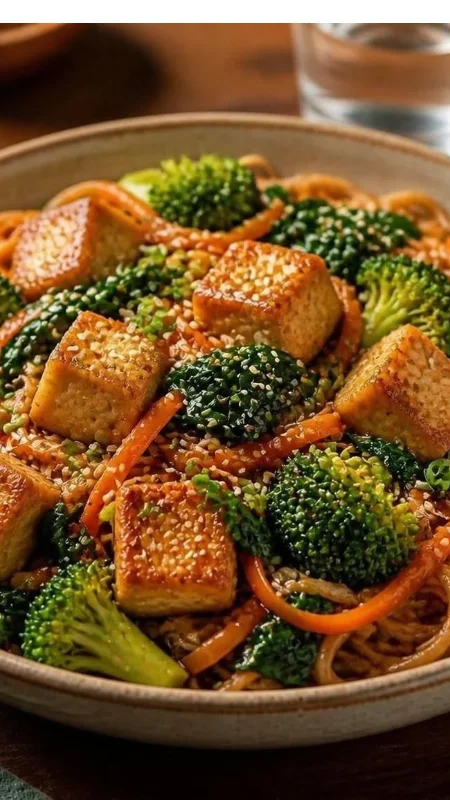
4. Vegetable and Tofu Noodle Bowl
This plant-based noodle bowl combines tofu, vegetables, and a ginger-sesame dressing.
It’s a flexible option for vegetarian or vegan dinners.
Recipe details
- Prep time: 15 minutes
- Cook time: 15 minutes
- Total time: 30 minutes
- Servings: 4
- Difficulty: Easy
- Dietary preference: Vegan
Ingredients
| Ingredient | Quantity |
|---|---|
| Extra-firm tofu, drained | 14 oz (397 g) |
| Dry whole-wheat noodles | 8 oz (227 g) |
| Broccoli florets | 2 cups |
| Red bell pepper, sliced | 1 |
| Shredded carrots | 1 cup |
| Baby spinach | 2 cups |
| Neutral cooking oil | 1 tablespoon |
| Reduced-sodium soy sauce | 2 tablespoons |
| Rice vinegar | 2 tablespoons |
| Sesame oil | 2 teaspoons |
| Fresh ginger, grated | 1 tablespoon |
| Garlic, minced | 2 cloves |
| Sesame seeds | 1 tablespoon |
Instructions
Step 1: Drain the tofu and gently press out excess moisture.
Step 2: Cut the tofu into bite-sized cubes.
Step 3: Cook the noodles according to package instructions.
Step 4: Whisk soy sauce, rice vinegar, sesame oil, ginger, and garlic together.
Step 5: Heat the cooking oil in a large nonstick skillet.
Step 6: Add tofu and cook until lightly golden on several sides.
Step 7: Add broccoli, bell pepper, and carrots.
Step 8: Stir-fry until the vegetables are tender-crisp.
Step 9: Add spinach and cook until wilted.
Step 10: Add the cooked noodles and dressing, tossing everything together.
Step 11: Divide among four bowls and sprinkle with sesame seeds.
Estimated Nutrition Per Serving
| Nutrient | Amount |
|---|---|
| Calories | 420 kcal |
| Protein | 22 g |
| Carbohydrates | 55 g |
| Fiber | 9 g |
| Fat | 14 g |
Variation: Add mushrooms, snow peas, or shredded cabbage.
For a gluten-free version, choose gluten-free noodles and certified gluten-free tamari.
Always check ingredient labels when cooking for someone with celiac disease.
5. Korean-Inspired Beef and Vegetable Bowls
These savory bowls use lean beef, mushrooms, carrots, spinach, and rice.
The seasonings are inspired by Korean-style beef bowls, with measured sauce ingredients to help manage sodium.
Recipe details
- Prep time: 15 minutes
- Cook time: 15 minutes
- Total time: 30 minutes
- Servings: 4
- Difficulty: Easy
Ingredients
| Ingredient | Quantity |
|---|---|
| Lean ground beef, approximately 93% lean | 1 lb (454 g) |
| Cooked brown rice | 2 cups |
| Mushrooms, sliced | 2 cups |
| Carrots, shredded | 1 cup |
| Baby spinach | 2 cups |
| Reduced-sodium soy sauce | 2 tablespoons |
| Rice vinegar | 1 tablespoon |
| Sesame oil | 2 teaspoons |
| Garlic, minced | 3 cloves |
| Fresh ginger, grated | 1 teaspoon |
| Honey | 2 teaspoons |
| Scallions, sliced | 2 |
Instructions
Step 1: Heat a large skillet over medium-high heat.
Step 2: Add ground beef and cook, breaking it into smaller pieces.
Step 3: Continue cooking until the beef reaches an internal temperature of 160°F (71°C).
Step 4: Drain excess fat if necessary.
Step 5: Add garlic, ginger, and mushrooms.
Step 6: Cook for approximately four minutes.
Step 7: Add carrots and spinach.
Step 8: Stir together soy sauce, vinegar, sesame oil, and honey.
Step 9: Add the sauce to the skillet and stir until everything is evenly coated.
Step 10: Divide brown rice among four bowls and top with the beef mixture.
Step 11: Garnish with scallions.
Estimated Nutrition Per Serving
| Nutrient | Amount |
|---|---|
| Calories | 430 kcal |
| Protein | 31 g |
| Carbohydrates | 34 g |
| Fiber | 4 g |
| Fat | 19 g |
Meal-prep tip: Store the rice and beef mixture in shallow, airtight containers and refrigerate promptly.
Use refrigerated leftovers within three to four days
6. Vietnamese-Inspired Lemongrass Chicken Salad
This refreshing salad combines cooked chicken, crisp vegetables, herbs, and a tangy lime dressing.
It draws inspiration from Vietnamese flavor combinations without attempting to reproduce a specific traditional dish.
Recipe details
- Prep time: 20 minutes
- Cook time: 15 minutes
- Total time: 35 minutes
- Servings: 4
- Difficulty: Easy
Ingredients
| Ingredient | Quantity |
|---|---|
| Boneless, skinless chicken breast | 1 lb (454 g) |
| Finely minced lemongrass | 2 tablespoons |
| Garlic, minced | 2 cloves |
| Neutral cooking oil | 1 tablespoon |
| Shredded cabbage | 4 cups |
| Cucumber, julienned | 1 cup |
| Carrots, shredded | 1 cup |
| Fresh mint | ½ cup |
| Fresh cilantro | ½ cup |
| Lime juice | 3 tablespoons |
| Reduced-sodium soy sauce | 1 tablespoon |
| Honey | 2 teaspoons |
| Water | 2 tablespoons |
| Chopped unsalted peanuts | ¼ cup |
Instructions
Step 1: Mix lemongrass and garlic with half the cooking oil.
Step 2: Rub the mixture over the chicken.
Step 3: Heat the remaining oil in a skillet over medium heat.
Step 4: Cook the chicken, turning as needed, until it reaches 165°F (74°C).
Step 5: Transfer the chicken to a clean plate and allow it to rest briefly.
Step 6: Combine cabbage, cucumber, carrots, mint, and cilantro in a large bowl.
Step 7: Whisk together lime juice, soy sauce, honey, and water.
Step 8: Slice the chicken and arrange it over the vegetables.
Step 9: Add the dressing and toss gently.
Step 10: Sprinkle with chopped peanuts.
Estimated Nutrition Per Serving
| Nutrient | Amount |
|---|---|
| Calories | 310 kcal |
| Protein | 31 g |
| Carbohydrates | 16 g |
| Fiber | 5 g |
| Fat | 14 g |
Serving suggestion: Add a portion of cooked rice or rice noodles if you want a more substantial meal.
Allergy note: Omit peanuts or use an appropriate alternative when preparing food for someone with a peanut allergy.
7. Ginger-Miso Mushroom and Tofu Soup
This Japanese-inspired soup combines mushrooms, tofu, leafy greens, ginger, and miso.
It’s a light but nourishing option, particularly when paired with rice or another substantial side.
Recipe details
- Prep time: 10 minutes
- Cook time: 15 minutes
- Total time: 25 minutes
- Servings: 4
- Difficulty: Easy
- Dietary preference: Vegan when prepared with plant-based broth and miso
Ingredients
| Ingredient | Quantity |
|---|---|
| Low-sodium vegetable broth | 4 cups |
| Water | 2 cups |
| Firm tofu, cubed | 14 oz (397 g) |
| Mushrooms, sliced | 3 cups |
| Baby bok choy, chopped | 3 cups |
| White miso paste | 3 tablespoons |
| Fresh ginger, grated | 1 tablespoon |
| Garlic, minced | 2 cloves |
| Scallions, sliced | 3 |
| Sesame oil | 1 teaspoon |
Instructions
Step 1: Heat sesame oil in a large saucepan over medium heat.
Step 2: Add garlic and ginger and cook for approximately 30 seconds.
Step 3: Add mushrooms and cook for three minutes.
Step 4: Pour in the vegetable broth and water.
Step 5: Bring to a gentle simmer.
Step 6: Add tofu and bok choy.
Step 7: Simmer for approximately five minutes, until the bok choy is tender.
Step 8: Place the miso paste in a small bowl.
Step 9: Add a few tablespoons of warm broth and whisk until smooth.
Step 10: Remove the soup from direct heat and stir in the dissolved miso.
Step 11: Garnish with scallions and serve.
Estimated Nutrition Per Serving
| Nutrient | Amount |
|---|---|
| Calories | 160 kcal |
| Protein | 13 g |
| Carbohydrates | 12 g |
| Fiber | 3 g |
| Fat | 7 g |
Nutrition note: Miso contributes sodium, even when the broth is labeled low-sodium.
The finished soup should not automatically be considered low-sodium without calculating the sodium content of the specific products used.
For a more filling dinner, serve with rice, edamame, or another protein-rich side.
How to Make Asian-Inspired Meals Lower in Sodium
Flavorful cooking does not have to depend on large quantities of salt.
However, it’s important to remember that reduced-sodium products are not necessarily low in sodium.
Choose Reduced-Sodium Sauces
Reduced-sodium soy sauce generally contains less sodium than the manufacturer’s regular version.
Still, sodium content varies considerably by brand.
Check Nutrition Facts labels and compare products.
A tablespoon of reduced-sodium soy sauce can still contribute several hundred milligrams of sodium.
Other condiments, including miso, oyster sauce, and fish sauce, can also be concentrated sodium sources.
Build Flavor With Aromatics
Fresh ingredients can enhance flavor without adding much sodium.
Useful options include garlic, ginger, lemongrass, scallions, fresh herbs, citrus juice, and vinegar.
For example, combining lime juice, ginger, and a measured amount of soy sauce can create a flavorful dressing using less soy sauce than some conventional preparations.
Measure Sauces
Pouring sauce directly from the bottle makes it difficult to estimate the amount used.
Measure soy sauce, miso, and other salty ingredients before adding them.
If preparing four servings, distribute the sauce evenly so that nutritional estimates remain meaningful.
Easy Asian Dinner Meal Prep for the Week
Meal preparation can make weeknight cooking faster and more convenient.
The key is choosing ingredients that work across multiple dishes.
Prepare Shared Ingredients
Brown rice can be used in chicken stir-fries, salmon bowls, and beef bowls.
Broccoli, carrots, mushrooms, and bell peppers can appear in several recipes.
Preparing these ingredients in advance reduces chopping time.
Keep raw poultry and meat separate from ready-to-eat foods during preparation.
Wash cutting boards, knives, and countertops after contact with raw animal products.
Store Cooked Foods Safely
According to FoodSafety.gov, most cooked leftovers can be refrigerated for three to four days.
Keep the refrigerator at 40°F (4°C) or below.
Refrigerate cooked foods within two hours, or within one hour when temperatures exceed 90°F (32°C).
Divide large batches into shallow containers so they cool quickly.
Cooked rice deserves particular care because improper cooling and storage can allow Bacillus cereus to grow.
For meals intended for later in the week, freeze portions promptly rather than relying on extended refrigeration.
Reheat Leftovers Thoroughly
Reheat cooked leftovers to an internal temperature of 165°F (74°C).
Use a food thermometer when practical.
For microwave reheating, stir food and allow standing time to help distribute heat evenly.
Do not repeatedly leave prepared meals at room temperature.
Healthy Asian Food Ideas for Different Dietary Preferences
A flexible approach makes it easier to adapt recipes to individual needs.
High-Protein Asian-Inspired Meals
Chicken stir-fries, salmon bowls, turkey dishes, and beef bowls can provide substantial protein.
Tofu, edamame, and other soy foods also contribute protein.
The amount needed at dinner depends on total daily requirements, activity level, and individual health circumstances.
Vegetarian and Vegan Options
Tofu noodle bowls and vegetable soups are convenient starting points.
Other possibilities include tempeh stir-fries, mushroom rice bowls, chickpea curries, and vegetable dishes served with edamame.
People following vegan diets should ensure they have reliable sources of vitamin B12 through fortified foods or supplements.
Lower-Calorie Asian-Inspired Meals
For readers seeking lower-calorie meals, vegetable-rich soups and salads may be useful.
However, lower calorie does not automatically mean more nutritious.
A 160-calorie soup may be appropriate as a light meal component but insufficient as a complete dinner for many adults.
Consider energy needs, hunger, and the overall nutritional balance of the meal.
Add grains, beans, tofu, or another side when needed.
Budget-Friendly Asian Dinner Ideas
Affordable ingredients include rice, cabbage, carrots, eggs, tofu, frozen vegetables, and dried or canned legumes.
Frozen vegetables can work well in stir-fries and soups.
Buying specialty sauces in large quantities is worthwhile only when they will be used before their quality deteriorates.
For additional everyday meal inspiration, visit our easy healthy dinner ideas guide.
Frequently Asked Questions About Healthy Asian Recipes
What Are Some Healthy Asian Recipes?
Examples include vegetable-rich stir-fries, salmon rice bowls, tofu noodle dishes, lentil curries, soups, and salads with lean proteins.
The nutritional quality depends on the ingredients, preparation methods, serving sizes, and overall dietary pattern.
Is Asian Food Healthy?
Many traditional Asian dishes contain nutritious ingredients, including vegetables, legumes, fish, soy foods, grains, and herbs.
However, Asian cuisines are extremely diverse, and no single statement accurately describes every dish.
Meals can vary widely in sodium, saturated fat, fiber, protein, and energy content.
The most useful approach is to evaluate individual meals rather than judge an entire cuisine.
How Can I Make Asian Food Lower in Sodium?
Measure sauces, choose reduced-sodium versions when appropriate, and add flavor through herbs, spices, ginger, garlic, lime, and vinegar.
Compare Nutrition Facts labels because reduced-sodium products can still contain substantial sodium.
What Are Quick Asian Dinner Ideas?
Quick options include ginger-garlic chicken stir-fry, basil turkey, tofu noodles, and vegetable rice bowls.
Preparing grains and chopping vegetables ahead of time can further reduce cooking time.
Can Asian-Inspired Meals Be Prepared Ahead?
Yes.
Rice bowls, cooked proteins, stir-fries, and many soups work well for meal preparation.
Refrigerate cooked meals promptly and use most leftovers within three to four days.
Freeze portions intended for later.
Fresh salads and delicate herbs generally have better texture when assembled closer to serving.
Final Thoughts: Enjoy Healthy Asian-Inspired Cooking at Home
Preparing flavorful dinners at home can be simple, affordable, and enjoyable.
These seven healthy Asian recipes demonstrate how vegetables, protein-rich ingredients, grains, herbs, and spices can work together in practical meals.
From quick chicken stir-fries to colorful rice bowls and comforting tofu soup, there are options for different tastes and schedules.
Start with one or two recipes, experiment with vegetables and seasonings, and adjust portions to suit your needs.
For more meal inspiration, explore our complete Dinner Recipes collection.
A balanced approach to home cooking leaves room for both nutrition and enjoyment.
References
Dietary Guidelines for Americans. https://www.dietaryguidelines.gov/
USDA MyPlate. https://www.myplate.gov/
USDA FoodData Central. https://fdc.nal.usda.gov/
FoodSafety.gov — Safe Minimum Internal Temperatures. https://www.foodsafety.gov/food-safety-charts/safe-minimum-internal-temperatures
FoodSafety.gov — Cold Food Storage Chart. https://www.foodsafety.gov/food-safety-charts/cold-food-storage-charts
FoodSafety.gov — Food Safety by Type of Food. https://www.foodsafety.gov/keep-food-safe/food-safety-by-type-food
NIH Office of Dietary Supplements — Vitamin B12. https://ods.od.nih.gov/factsheets/VitaminB12-HealthProfessional/
NIH Office of Dietary Supplements — Iron. https://ods.od.nih.gov/factsheets/Iron-HealthProfessional/
Disclaimer: This article is for general educational purposes and is not medical or professional advice. Please consult a qualified healthcare professional before making changes to your diet, exercise, or health routine. See our Medical Disclaimer.