
The Heart of the Soil
You know that specific scent—the one that rises from the earth after a heavy Michigan rain? It’s a mix of musk, ozone, and pure potential. Imagine standing in the middle of a quiet patch of land in Howell, the morning sun warming your shoulders, as you press a tiny heirloom seed into the dark, crumbly soil. In that moment, the noise of your digital life fades. The pings of emails and the rush of Grand River Avenue traffic feel miles away.
Table of Contents
You aren’t just planting a vegetable; you are reclaiming a connection to the land that many of us have lost in the shuffle of modern living. Joining one of the Howell organic community gardens isn’t merely a weekend hobby. It is an invitation to belong to something larger than your own backyard. It’s about the calloused hands of a neighbor helping you identify a pest, the shared laughter over a giant zucchini, and the quiet satisfaction of feeding your family food that you know—with absolute certainty—is free from synthetic chemicals.
If you’ve been craving a sense of purpose that involves getting your hands a little dirty, you’ve come to the right place. Let’s explore how you can root yourself in the Howell gardening community.
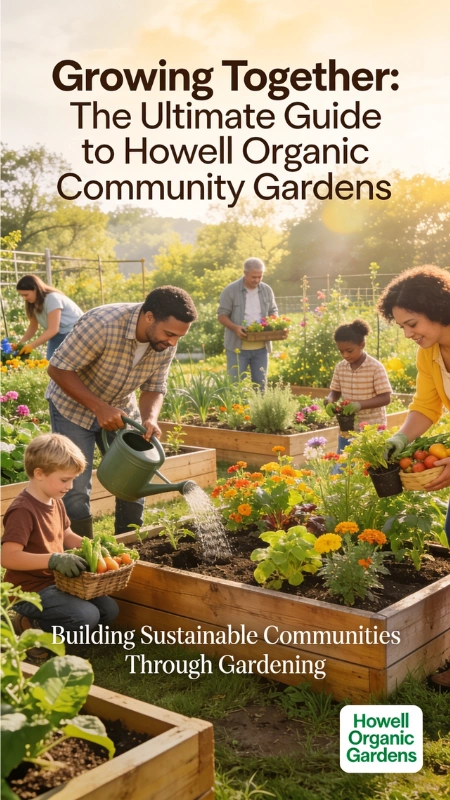
The Benefits of Joining Howell Organic Community Gardens
When you decide to claim a plot in a community space, you’re investing in your own well-being and the health of Livingston County. The benefits extend far beyond a basket of fresh produce.
Physical and Mental Wellness: “Vitamin G”
You might have heard of Vitamin D, but have you heard of “Vitamin G”? Scientists use this term to describe the therapeutic power of green spaces. When you spend an hour weeding your plot at a Howell organic community garden, your body isn’t just burning calories. You are engaging in active mindfulness.
Studies consistently show that gardening reduces cortisol—the body’s primary stress hormone—more effectively than many other leisure activities. For you, this means a clearer head and a calmer heart. Furthermore, the physical act of digging, planting, and hauling water provides a functional workout that improves grip strength and flexibility without the monotony of a gym.
Environmental Stewardship
Howell is blessed with beautiful natural resources, from Thompson Lake to our sprawling wetlands. By choosing an organic community garden, you act as a guardian of these resources.
- Pollinator Protection: Organic plots are havens for local bees, butterflies, and birds.
- Soil Health: By avoiding synthetic fertilizers, you encourage a thriving ecosystem of microorganisms, earthworms, and fungi that keep the soil fertile for generations to come.
- Water Quality: Organic methods prevent toxic runoff from entering our local watersheds, keeping Howell’s water supply cleaner for everyone.
Building Local Food Security
There is a profound sense of security in knowing exactly where your food comes from. In a world of fluctuating grocery prices and complex supply chains, your garden plot offers a reliable source of nutrient-dense food. You’ll find that a tomato grown in Howell soil, ripened by the Michigan sun and picked by your own hand, tastes worlds apart from a grocery store variety bred for shelf-life rather than flavor.
Where to Grow: Popular Locations for Howell Organic Community Gardens
Howell offers several distinct environments where you can set down roots. Depending on your location and what you’re looking for, one of these sites will feel like home.
The Howell Nature Center Community Garden
If you want your gardening experience to be surrounded by the call of wild raptors and the rustle of forest leaves, the Howell Nature Center is your destination.
- The Vibe: Educational and serene.
- Why You’ll Love It: This site is perfect if you have children. The Nature Center integrates its gardening programs with wildlife education, making it a full-family experience. You can check on your peppers and then take the kids to see the resident owls and eagles.
Scofield City Park Gardens
Located near the heart of the city and the shores of Thompson Lake, Scofield Park offers a more “urban” community garden feel while maintaining a lush, lakeside atmosphere.
- The Vibe: Social and accessible.
- Why You’ll Love It: Its proximity to the beach and boat launch means you can make a full day of it. Garden in the morning, then head to the water for a cool-down. It’s a high-visibility area where you’re likely to meet fellow city residents and exchange gardening tips.
Neighborhood-Specific and Faith-Based Plots
Throughout the Howell area, various churches and small non-profits maintain organic plots. These are often smaller and offer a more intimate setting. If you prefer a quiet, contemplative space close to your neighborhood, keep an eye out for these “hidden gem” gardens that often pop up in residential zones.
How It Works: Your Path from Seed to Harvest
Entering the world of Howell organic community gardens is straightforward, but it does require a commitment to the collective good. Here is how you can get started.
Step 1: Registration and Plot Rental
The gardening season in Michigan is precious and short. To secure your spot, you’ll need to act in late winter or early spring.
- Timeline: Most registrations open in March. By April, the prime plots are usually spoken for.
- The Fees: Expect a modest seasonal fee. This isn’t “rent” in the traditional sense; it’s a contribution toward the shared water bill, tool maintenance, and the delivery of organic compost or mulch.
Step 2: Understanding the Organic Mandate
This is the most critical part of joining a Howell organic community garden. To maintain the integrity of the soil and the health of your neighbors’ plants, you must adhere to organic standards.
What is Allowed?
- Natural Fertilizers: Think compost, aged manure, or fish emulsion.
- Pest Control: Neem oil, diatomaceous earth, and companion planting (like marigolds to deter beetles).
- Seeds: Heirloom, organic, and non-GMO seeds are highly encouraged.
What is Prohibited?
- Synthetic Chemicals: No Roundup, no Miracle-Gro (unless it’s the organic line), and no chemical pesticides.
- Invasive Species: You’ll be asked to avoid plants that might take over the entire garden tract.
Step 3: Community Responsibilities
A community garden is a shared ecosystem. To keep it thriving, you’ll be expected to follow a few simple rules of etiquette:
- Pathway Maintenance: Keep the paths around your plot free of weeds and tripping hazards.
- Water Conservation: Use mulch to retain moisture and avoid watering during the heat of the midday sun.
- The Harvest Rule: Only harvest from your own plot unless specifically invited by a neighbor.
- Volunteer Hours: Most gardens host “Clean-up Days” where everyone pitches in to fix fences or turn the communal compost pile.
From Plot to Plate: A Howell Garden Harvest Recipe
After weeks of weeding and watering, the reward finally arrives. There is no better way to celebrate your success at the Howell organic community gardens than by hosting a garden-to-table dinner. This bruschetta recipe highlights the “Big Three” of a Michigan summer: tomatoes, garlic, and basil.
Table: Ingredients for “Howell Summer Harvest Bruschetta”
| Ingredient | Quantity | Source Notes |
|---|---|---|
| Organic Heirloom Tomatoes | 4 Large | Diced; use a mix of colors for beauty |
| Fresh Garlic Cloves | 3 Cloves | Minced finely; home-grown is best |
| Extra Virgin Olive Oil | 1/4 Cup | Use high-quality organic oil |
| Fresh Basil Leaves | 1/2 Cup | Ribbon-cut (chiffonade) |
| Balsamic Glaze | 2 Tbsp | For drizzling over the top |
| Sourdough Baguette | 1 Loaf | Sliced and toasted with olive oil |
| Sea Salt & Pepper | To taste | Essential for drawing out tomato juices |
Instructions: Mix the diced tomatoes, garlic, basil, and olive oil in a glass bowl. Let it sit for 20 minutes at room temperature—this is the secret to letting the flavors marry. Spoon onto toasted sourdough and drizzle with the balsamic glaze just before serving.
Sustaining the Future: The Impact on the Howell Community
When you look at your single plot, it might seem small. But when you look at the entire Howell organic community garden network, you see a powerful engine for local change.
Many of our local gardens have a “Giving Row.” This is a dedicated section where produce is grown specifically for donation. In Howell, this food often makes its way to local pantries or organizations like Gleaners Community Food Bank. By participating, you are helping to ensure that fresh, organic produce isn’t just a luxury for those with land, but a right for every member of our community.
Furthermore, these gardens serve as outdoor classrooms. You’ll often see local scout troops or school groups touring the plots, learning that carrots come from the dirt, not a plastic bag. You are part of an educational legacy that teaches the next generation the value of hard work and environmental respect.
Conclusion: Cultivating More Than Just Vegetables
As the sun sets over your plot in the Howell organic community gardens, you’ll likely find yourself lingering. You’ll stay to watch the fireflies emerge or to have one last conversation with the gardener three plots over about the best way to cage peppers.
You came here for the vegetables, but you stayed for the connection. You discovered that while you were busy growing a garden, the garden was busy growing you. It made you more patient, more aware of the changing seasons, and more deeply rooted in the Howell community.
Don’t let another season pass you by. Whether you are a seasoned “green thumb” or someone who has never touched a trowel, there is a place for you here. Reach out to the Howell Area Parks & Recreation Authority or the Howell Nature Center today to inquire about plot availability. Your future harvest is waiting.
Frequently Asked Questions About Howell Organic Community Gardens
Do I need to be an expert to join the Howell organic community gardens?
Absolutely not. These spaces are designed for learners. You will find that most veteran gardeners are more than happy to share their wisdom. Many locations even host “ask a master gardener” days throughout the summer to help you troubleshoot issues like blossom end rot or aphid infestations.
How much does a plot cost at the Howell organic community gardens?
While prices can fluctuate based on the specific site, most plots in Howell range from $20 to $60 for the entire growing season. This fee is vital for maintaining the infrastructure, such as hoses, water pumps, and shared tool sheds.
Can I use store-bought fertilizer in my garden?
You must be careful here. Only fertilizers that are labeled as “OMRI Listed” (Organic Materials Review Institute) are permitted in the Howell organic community gardens. Standard synthetic fertilizers can harm the long-term health of the soil and are strictly prohibited to ensure the safety of all participants’ crops.
What happens if I can’t tend to my garden for a week?
Life happens! If you’re going on vacation, the “community” part of the garden kicks in. Simply ask a gardening neighbor to watch your plot and water your plants while you’re away. In exchange, you can offer them any produce that ripens during your absence. It’s a win-win system that builds trust and prevents waste.
Are tools provided at the Howell organic community gardens?
Most established sites like the Howell Nature Center provide communal tools such as shovels, rakes, and wheelbarrows. However, it is highly recommended that you bring your own set of hand tools (trowel, pruners) and a good pair of gloves to ensure you always have what you need on hand.