
Plain water is essential for everyday hydration, but sometimes you may want something with a little more flavor.
That’s where lemon mint infused water comes in.
Made with fresh lemon slices, fragrant mint leaves, and cool drinking water, this simple beverage offers a refreshing alternative to soda, sweetened iced tea, and flavored drinks containing added sugar.
It takes only a few minutes to prepare, requires no cooking, and can be customized with different fruits, herbs, and spices.
Lemon adds a bright citrus flavor, while fresh mint provides a cooling aroma.
Table of Contents
Unlike lemonade, traditional infused water doesn’t require sugar, syrup, or sweetened juice.
Although infused water is sometimes promoted as a detox drink, its main benefit is much simpler: it can make drinking water more enjoyable.
In this guide, you’ll learn how to prepare lemon mint water, discover four additional fruit-infused water recipes, and find practical advice about infusion times, nutrition, hydration, and safe storage.
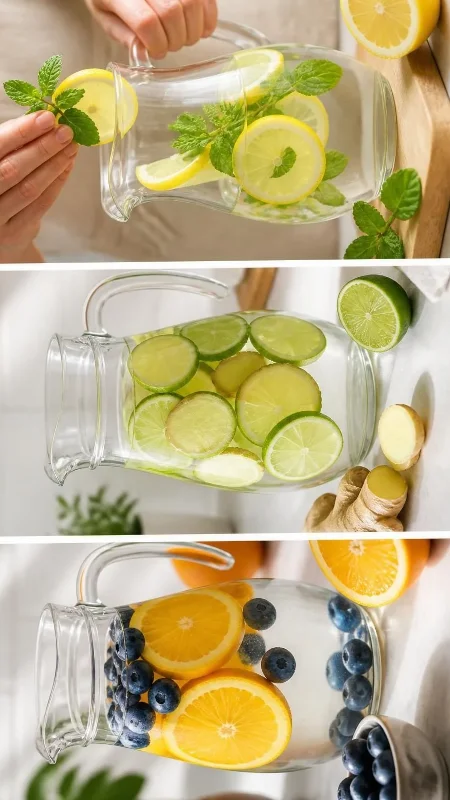
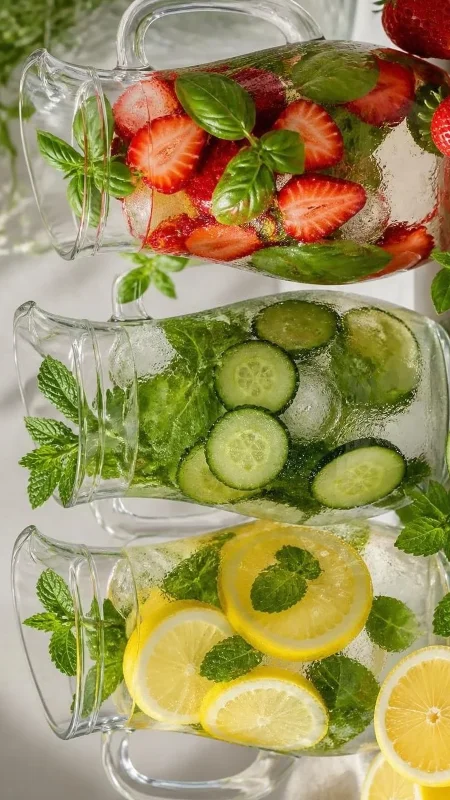
Why Try Lemon Mint Infused Water?
Lemon mint water is an easy way to add variety to your daily beverages.
It uses familiar ingredients and can be prepared in a pitcher, reusable bottle, or glass.
A Refreshing Alternative to Sugary Drinks
Many commercially prepared beverages contain added sugars.
Replacing some sugar-sweetened drinks with water can reduce added sugar intake.
Lemon and mint provide natural flavor without requiring sweeteners.
This makes infused water useful for people who enjoy flavored beverages but want an alternative to sweetened soda or fruit drinks.
A Simple Way to Make Water More Appealing
Some people find plain water uninteresting.
Adding fresh fruit and herbs changes the flavor and aroma without turning water into a complicated recipe.
Infused water can be particularly enjoyable when chilled.
Preparing a pitcher in advance may also make water more convenient to reach for during the day.
For more beverage inspiration, explore our smoothies and drinks collection.
What Infused Water Can and Cannot Do
Drinking enough fluids supports normal body functions, including temperature regulation and the transport of nutrients.
However, lemon mint water does not have proven special detoxifying properties.
Your kidneys and liver already carry out essential processes involved in removing waste products from the body.
Similarly, while adequate hydration supports normal digestion, there is limited evidence that a few lemon slices and mint leaves produce a distinct digestive benefit.
Enjoy infused water for its refreshing taste and contribution to fluid intake rather than expecting it to cleanse the body or treat digestive problems.
Ingredients for Lemon Mint Infused Water
The classic recipe requires only three ingredients.
For the best flavor, choose fresh produce and clean drinking water.
Recipe Overview
| Detail | Information |
|---|---|
| Recipe | Classic Lemon Mint Infused Water |
| Prep Time | 5 minutes |
| Cook Time | 0 minutes |
| Infusion Time | 1 hour |
| Total Time | 1 hour 5 minutes |
| Servings | 4 |
| Serving Size | Approximately 1 cup / 240 ml |
| Difficulty | Easy |
| Method | Cold infusion |
| Added Sugar | None |
Ingredient Table
| Ingredient | Quantity | Purpose |
|---|---|---|
| Fresh lemon | 1 medium | Citrus flavor |
| Fresh mint leaves | 10–12 leaves | Fresh herbal aroma |
| Cold drinking water | 4 cups / 960 ml | Beverage base |
| Ice cubes | Optional | Serving |
This recipe makes approximately four cups of infused water.
The exact serving volume may vary slightly depending on the space occupied by the lemon slices.
Choosing Fresh Lemons
Choose lemons that are firm and free from visible mold or significant damage.
Because the peel remains in the water, wash the lemon thoroughly under running water before slicing.
Avoid using soap or household detergents on produce.
Lemon peel can contribute additional aroma, but leaving the slices in water for too long may produce a bitter flavor.
Selecting and Preparing Mint
Fresh spearmint or peppermint can be used.
Choose leaves that look fresh and are free from decay.
Rinse the leaves gently under running water.
Lightly pressing the mint can help release its aroma, but crushing the leaves excessively may produce a stronger herbal flavor than desired.
Using Clean Drinking Water
Use potable tap water or another safe drinking water source.
Cold water works well because it allows the flavors to develop gradually during refrigeration.
Sparkling water can also be used, although it is best added shortly before serving to preserve carbonation.
How to Make Lemon Mint Infused Water
This simple recipe requires very little active preparation.
The main step is allowing enough time for the lemon and mint to flavor the water.
Step 1: Wash the Ingredients
Wash your hands before handling the ingredients.
Rinse the lemon and mint under clean running water.
Use a clean knife, cutting board, and pitcher.
Step 2: Slice the Lemon
Cut the lemon into thin rounds.
Remove visible seeds.
Thin slices provide plenty of surface area for flavor transfer.
Step 3: Prepare the Mint
Place the mint leaves in the palm of your hand and press them gently.
This helps release some of their aroma.
Avoid crushing them into small pieces.
Step 4: Combine the Ingredients
Add the lemon slices and mint leaves to a clean pitcher.
Pour in four cups of cold drinking water.
Stir gently.
Step 5: Refrigerate and Infuse
Cover the pitcher and place it in the refrigerator.
Allow the water to infuse for approximately one hour.
For a stronger flavor, refrigerate for two to four hours.
Taste periodically and remove the lemon slices when the flavor reaches your preference.
Step 6: Serve Chilled
Pour the infused water into glasses.
Add ice if desired.
You can strain out the fruit and herbs before serving or leave them in the pitcher while pouring.
Recipe tip: If the water tastes bitter, remove the lemon slices sooner during the next batch. Citrus peel can contribute bitterness during prolonged infusion.
5 Easy Infused Water Recipes
Once you’ve mastered the classic recipe, try these additional combinations.
Each recipe uses four cups of water and makes approximately four servings.
1. Classic Lemon Mint Infused Water
This refreshing combination offers a bright citrus flavor and a cool herbal aroma.
Prep time: 5 minutes
Infusion time: 1 hour
Total time: 1 hour 5 minutes
Servings: 4
Ingredients
| Ingredient | Quantity |
|---|---|
| Fresh lemon | 1 medium |
| Fresh mint leaves | 10–12 |
| Cold drinking water | 4 cups |
Instructions
- Wash the lemon and mint.
- Slice the lemon into thin rounds.
- Gently press the mint leaves.
- Place both ingredients in a pitcher.
- Add four cups of cold water.
- Cover and refrigerate for one hour.
- Serve chilled.
Estimated Nutrition Per Serving
| Nutrient | Approximate Amount |
|---|---|
| Calories | 0–5 kcal |
| Protein | 0 g |
| Carbohydrates | 0–1 g |
| Added Sugar | 0 g |
| Fat | 0 g |
The estimate assumes the lemon slices and mint leaves are not eaten.
2. Cucumber Mint Water
Cucumber and mint create a mild, refreshing combination.
This is a useful choice if you prefer less acidity than lemon-infused water.
Prep time: 5 minutes
Infusion time: 1 hour
Total time: 1 hour 5 minutes
Servings: 4
Ingredients
| Ingredient | Quantity |
|---|---|
| Cucumber | 1/2 medium |
| Fresh mint leaves | 10 |
| Cold drinking water | 4 cups |
Instructions
- Wash the cucumber thoroughly.
- Cut it into thin slices.
- Rinse the mint leaves.
- Add the cucumber and mint to a clean pitcher.
- Pour in four cups of cold water.
- Cover and refrigerate for one to two hours.
- Serve chilled.
Estimated Nutrition Per Serving
| Nutrient | Approximate Amount |
|---|---|
| Calories | 0–5 kcal |
| Protein | 0 g |
| Carbohydrates | 0–1 g |
| Added Sugar | 0 g |
| Fat | 0 g |
Flavor tip: Add a few thin lemon slices if you prefer a brighter taste.
3. Strawberry Basil Infused Water
Strawberries and basil create a fragrant drink with mild fruit flavor.
The strawberries contribute aroma and a subtle impression of sweetness, even without added sugar.
Prep time: 5 minutes
Infusion time: 2 hours
Total time: 2 hours 5 minutes
Servings: 4
Ingredients
| Ingredient | Quantity |
|---|---|
| Fresh strawberries | 5 medium |
| Fresh basil leaves | 6 |
| Cold drinking water | 4 cups |
Instructions
- Wash the strawberries and basil.
- Remove the strawberry stems.
- Slice the strawberries in half.
- Gently press the basil leaves.
- Place the ingredients in a pitcher.
- Add four cups of cold water.
- Cover and refrigerate for approximately two hours.
- Serve chilled.
Estimated Nutrition Per Serving
| Nutrient | Approximate Amount |
|---|---|
| Calories | 0–5 kcal |
| Protein | 0 g |
| Carbohydrates | 0–1 g |
| Added Sugar | 0 g |
| Fat | 0 g |
Flavor tip: Use ripe strawberries for a stronger fruit aroma.
4. Orange Blueberry Infused Water
This colorful combination offers a mild citrus flavor with subtle berry notes.
Blueberries release flavor relatively slowly when left whole.
Lightly crushing a few berries can increase flavor transfer.
Prep time: 5 minutes
Infusion time: 2 hours
Total time: 2 hours 5 minutes
Servings: 4
Ingredients
| Ingredient | Quantity |
|---|---|
| Orange | 1/2 medium |
| Fresh blueberries | 1/4 cup |
| Cold drinking water | 4 cups |
Instructions
- Wash the orange and blueberries thoroughly.
- Cut the orange into thin slices.
- Gently press a few blueberries with a spoon.
- Place the fruit in a clean pitcher.
- Add four cups of cold water.
- Cover and refrigerate for two to four hours.
- Serve chilled.
Estimated Nutrition Per Serving
| Nutrient | Approximate Amount |
|---|---|
| Calories | 0–5 kcal |
| Protein | 0 g |
| Carbohydrates | 0–1 g |
| Added Sugar | 0 g |
| Fat | 0 g |
Flavor tip: Remove the orange slices if the peel begins to add bitterness.
5. Lime Ginger Infused Water
Lime and ginger create a zesty drink with a slightly spicy finish.
This combination is suitable for people who enjoy stronger flavors.
Prep time: 5 minutes
Infusion time: 2 hours
Total time: 2 hours 5 minutes
Servings: 4
Ingredients
| Ingredient | Quantity |
|---|---|
| Fresh lime | 1 medium |
| Fresh ginger | 4 thin slices, approximately 10 g |
| Cold drinking water | 4 cups |
Instructions
- Wash the lime and ginger.
- Slice the lime into thin rounds.
- Cut the ginger into thin slices.
- Place both ingredients in a clean pitcher.
- Add four cups of cold water.
- Cover and refrigerate for two hours.
- Taste and remove the ginger if the flavor becomes too strong.
- Serve chilled.
Estimated Nutrition Per Serving
| Nutrient | Approximate Amount |
|---|---|
| Calories | 0–5 kcal |
| Protein | 0 g |
| Carbohydrates | 0–1 g |
| Added Sugar | 0 g |
| Fat | 0 g |
Flavor tip: Start with two ginger slices if you prefer a milder drink.
Nutrition Comparison of the Five Drinks
All five infused water recipes contain no intentionally added sugar.
Because fruit remains in contact with the water, small quantities of naturally occurring compounds may transfer into the beverage.
The exact nutritional composition depends on infusion time, fruit ripeness, ingredient quantities, and whether any fruit juice or pulp enters the water.
| Infused Water Recipe | Estimated Calories | Added Sugar | Main Flavor |
|---|---|---|---|
| Lemon Mint | 0–5 kcal | 0 g | Citrus and mint |
| Cucumber Mint | 0–5 kcal | 0 g | Mild and herbal |
| Strawberry Basil | 0–5 kcal | 0 g | Fruity and aromatic |
| Orange Blueberry | 0–5 kcal | 0 g | Citrus and berry |
| Lime Ginger | 0–5 kcal | 0 g | Zesty and spicy |
These values are broad estimates rather than directly measured nutrient values.
They assume that the fruit, herbs, and ginger are removed rather than consumed.
If you squeeze fruit juice into the drink or eat the fruit afterward, the nutrient intake will be different.
Does Lemon Mint Water Have Health Benefits?
Lemon mint water can contribute to daily fluid intake and provide an enjoyable alternative to sweetened beverages.
However, claims about detoxification, digestion, and weight loss should be considered carefully.
Hydration
Water is essential for normal body functions.
Adequate fluid intake supports temperature regulation, circulation, and normal kidney function.
Infused water contributes to fluid intake just as plain water does.
The lemon and mint primarily change the flavor.
For people who find plain water less appealing, adding natural flavors may make drinking water easier.
Reducing Added Sugar
Replacing sugar-sweetened beverages with unsweetened infused water can reduce added sugar consumption.
For example, a commercially sweetened fruit drink may contain several teaspoons of added sugar.
A homemade infused water recipe containing only fruit, herbs, and drinking water does not require added sugar.
This can be a practical way to vary your beverage choices.
Digestion
Adequate hydration contributes to normal digestive function.
However, there is limited evidence that drinking lemon mint infused water produces a unique digestive benefit beyond hydration.
Research involving concentrated peppermint oil should not be treated as proof that mint leaves steeped in water have the same effects.
People with reflux may find that citrus or mint aggravates their symptoms.
If lemon mint water causes discomfort, choose plain water or a less acidic combination.
Detoxification
You may see lemon mint water described online as a detox drink.
However, there is no convincing evidence that adding lemon and mint causes the body to eliminate toxins more effectively.
The kidneys and liver already perform important waste-processing and elimination functions.
Water supports normal hydration, but infused water should not be presented as a treatment for toxin exposure or a replacement for medical care.
Dental Health Considerations
Lemon and lime contain acids.
Frequent exposure to acidic beverages can contribute to dental enamel erosion over time.
Infused water is generally less concentrated than pure citrus juice, but acidity depends on how much citrus is used.
To reduce prolonged acid exposure, avoid continuously sipping strongly citrus-flavored water throughout the day.
You can also alternate citrus-infused water with plain water.
For people with sensitive teeth or enamel concerns, cucumber mint water may be a preferable alternative.
How Long Should You Infuse Water?
The ideal infusion time depends on the ingredients and desired flavor strength.
A short infusion creates a mild flavor.
Longer refrigeration may create stronger fruit and herbal notes.
Suggested Infusion Times
| Ingredients | Suggested Refrigerated Infusion |
|---|---|
| Lemon and mint | 1–2 hours |
| Cucumber and mint | 1–2 hours |
| Strawberry and basil | 2 hours |
| Orange and blueberry | 2–4 hours |
| Lime and ginger | 2 hours |
These are flavor recommendations rather than food safety limits.
Always refrigerate infused water during longer infusion periods.
Can You Infuse Water Overnight?
Yes.
You can prepare infused water in the evening and refrigerate it overnight.
However, citrus peel may contribute bitterness during prolonged contact.
Delicate herbs can also lose their fresh appearance.
For the best flavor, taste the water after a few hours and remove ingredients if needed.
How to Store Infused Water Safely
Fresh produce introduces microorganisms into water, even when the ingredients look clean.
Good food handling and refrigeration practices help reduce risk.
Wash Produce Properly
Wash lemons, limes, oranges, cucumbers, berries, and herbs under running water before use.
Do not wash produce with soap or detergent.
Use clean knives, cutting boards, and pitchers.
Refrigerate Promptly
Keep prepared infused water refrigerated at 40°F (4°C) or below.
Do not leave it standing at room temperature for extended periods.
As a conservative household practice, refrigerate within two hours of preparation, or within one hour when temperatures exceed 90°F (32°C).
How Long Does Infused Water Last?
For best freshness and quality, consume homemade infused water within approximately 24 hours when possible.
A refrigerated batch may remain acceptable longer, but there is no universally established FoodSafety.gov storage period specific to every fruit-infused water recipe.
Ingredient cleanliness, water quality, temperature, and preparation methods all affect safety.
Avoid treating two or three days as a guaranteed safe storage period.
Should You Remove the Fruit?
Removing fruit and herbs after the desired infusion time can help preserve flavor and texture.
However, removing the ingredients does not sterilize the water or reset its storage time.
Keep the finished beverage refrigerated.
Discard it if it develops unusual cloudiness, fermentation, mold, or an off odor.
Remember that harmful microorganisms are not always detectable through appearance or smell.
Can You Refill the Same Fruit?
Refilling fruit and herbs repeatedly is not recommended for prolonged storage.
Flavor weakens with each refill, and repeated handling can introduce contamination.
For best quality and hygiene, prepare fresh batches using clean ingredients.
Common Mistakes to Avoid
Not Washing the Ingredients
Even when you do not intend to eat the fruit, the peel and surface contact the drinking water.
Wash produce before slicing.
Using Too Much Citrus
Adding several lemons to a small pitcher can create an overly acidic or bitter drink.
Start with one medium lemon per four cups of water.
Adjust according to taste.
Crushing Herbs Excessively
Lightly pressing mint leaves releases aroma.
Excessive crushing can create a strong herbal taste and leave small leaf fragments in the drink.
Leaving Infused Water Unrefrigerated
Fruit-infused water should not be treated as shelf-stable.
Use refrigeration during longer infusion periods and storage.
Expecting Detoxification or Weight Loss
Infused water is not a detox treatment.
It also does not automatically cause weight loss.
Replacing calorie-containing sweetened beverages with water may reduce energy intake, but body weight depends on broader dietary and lifestyle factors.
Using Damaged or Moldy Fruit
Always discard visibly moldy or spoiled produce.
Do not attempt to make it safe by simply cutting away damaged sections when contamination may extend beyond the visible area.
Frequently Asked Questions About Lemon Mint Infused Water
Can You Drink Lemon Mint Water Every Day?
Most people can include lemon mint infused water as part of their regular fluid intake.
However, citrus acidity may bother people with reflux or dental sensitivity.
If you experience symptoms, reduce the amount of lemon or choose plain water.
Is Lemon Mint Infused Water Calorie-Free?
It is generally very low in calories.
However, small amounts of naturally occurring sugars and other compounds may transfer from lemon into the water.
A precise zero-calorie claim cannot be guaranteed without analyzing the finished beverage.
Does Lemon Mint Water Detox Your Body?
There is no convincing evidence that lemon mint water has special detoxification properties.
The kidneys and liver already perform essential functions involved in processing and eliminating waste.
Adequate hydration supports normal body function, but adding lemon and mint does not create a proven detox treatment.
How Long Does Lemon Mint Water Last?
For best quality, aim to consume it within approximately 24 hours while keeping it refrigerated.
There is no universally guaranteed safe storage period for all homemade infused water preparations.
Use fresh ingredients, clean equipment, and appropriate refrigeration.
Can You Refill the Same Lemon and Mint?
You can add more water to the ingredients during a single refrigerated preparation session, but flavor will weaken.
Repeated refilling over multiple days is not recommended.
Preparing fresh batches is a more reliable approach.
Can You Make Lemon Mint Water Overnight?
Yes.
Combine the washed lemon slices, mint leaves, and water in a clean pitcher.
Cover and refrigerate overnight.
If the flavor becomes bitter, remove the citrus slices earlier the next time.
Is Cucumber Mint Water Better Than Lemon Mint Water?
Neither recipe is universally healthier.
Both can contribute to hydration.
Cucumber mint water has a milder flavor and is generally less acidic.
Lemon mint water provides a stronger citrus taste.
Choose the combination you enjoy and tolerate best.
Does Lemon Mint Water Help With Weight Loss?
Drinking lemon mint water does not directly cause fat loss.
However, replacing sugar-sweetened beverages with unsweetened water may reduce calorie intake.
Overall weight management depends on total dietary intake, physical activity, sleep, and other individual factors.
Can Children Drink Infused Water?
Children can generally enjoy appropriately prepared fruit-infused water when it is made with safe drinking water and clean ingredients.
Avoid giving large fruit pieces or other choking hazards to young children.
Water needs vary by age, health, and activity level.
Can I Use Sparkling Water?
Yes.
Sparkling water can create a refreshing variation.
For best carbonation, add chilled sparkling water shortly before serving rather than leaving it to infuse for several hours.
Final Thoughts
Lemon mint infused water is a simple, refreshing way to add natural flavor to plain drinking water.
With just lemon, mint, and water, you can prepare a homemade beverage without adding sugar, syrup, or artificial flavors.
The classic combination is bright and cooling, while cucumber mint offers a milder alternative.
Strawberry basil, orange blueberry, and lime ginger provide additional ways to experiment with fresh ingredients.
Although infused water is sometimes promoted for detoxification or special digestive benefits, its main value is straightforward: it contributes to hydration and can make water more enjoyable.
For the best results, wash ingredients carefully, refrigerate during infusion, and prepare fresh batches regularly.
If you’re looking for more ideas to build a practical hydration routine, explore our healthy habits resources and healthy smoothie recipes guide.
Disclaimer: This article is for general educational purposes and is not medical or professional advice. Please consult a qualified healthcare professional before making changes to your diet, exercise, or health routine. See our Medical Disclaimer.