
There’s a certain moment in winter when you feel it—the chill that settles deep in your bones after a long day. You step inside, shrug off your coat, and crave something more than just food. You want warmth. Comfort. A pause. That’s where a pot of winter soup changes everything.
Table of Contents
When you make soup from scratch, you’re not just cooking—you’re creating an experience. The gentle simmer, the aroma of garlic and herbs, the promise of a nourishing meal waiting in your bowl. Whether you’re feeding your family, meal-prepping for the week, or simply treating yourself, this guide will show you how to make easy, homemade, and hearty soups that turn cold nights into something you actually look forward to.
Let’s dive in.
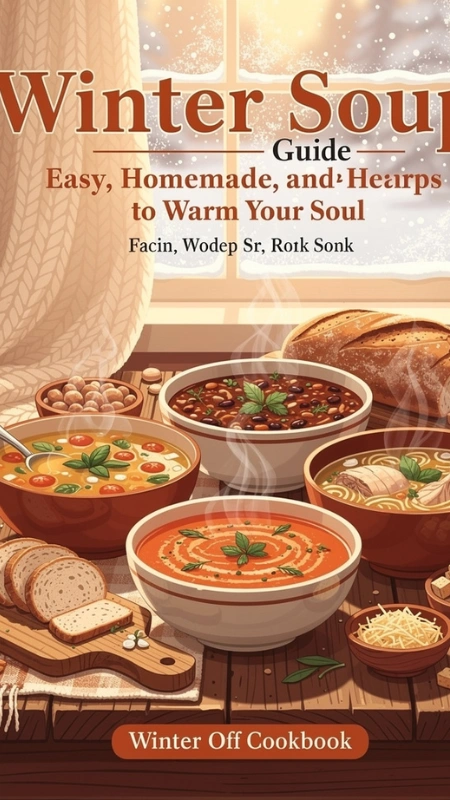
Why Winter Soup Is the Ultimate Cold-Weather Comfort Food
When temperatures drop, your body naturally craves warm, sustaining meals. A well-made cosy soup delivers exactly that.
1. It Warms You From the Inside Out
Hot liquids help regulate your body temperature and improve circulation. That soothing warmth isn’t just comforting—it’s practical.
2. It Supports Your Immune System
Many classic warm seasonal recipe ingredients are known for immune support:
- Garlic (natural antimicrobial properties)
- Ginger (anti-inflammatory benefits)
- Leafy greens (rich in vitamins A and C)
- Bone broth (collagen and minerals)
During cold and flu season, a nutrient-dense homemade soup becomes more than dinner—it becomes prevention.
3. It’s Budget-Friendly and Filling
With simple pantry staples—beans, lentils, root vegetables—you can stretch ingredients into multiple servings. Compared to takeout, homemade winter soup costs significantly less per portion while offering more nutrition.
4. It’s Perfect for Meal Prep
You can make a large batch once and enjoy it for days. Many soups taste even better the next day after the flavors deepen.
Essential Ingredients for the Perfect Winter Soup
Before you start cooking, it helps to understand what builds a flavorful, hearty winter soup. When you know the building blocks, you can create endless variations without relying on recipes every time.
The Flavor Base: Aromatics and Broth
Your soup’s foundation determines everything.
Core ingredients:
- Onion
- Garlic
- Celery
- Carrots
- Quality broth (chicken, beef, vegetable, or bone broth)
Always sauté your aromatics first. This step unlocks natural sugars and adds depth you can’t achieve by simply boiling everything together.
Hearty Add-Ins for Substance
If you want your recipe to satisfy truly, include:
- Proteins: chicken, beef, turkey, lentils, beans, tofu
- Root vegetables: potatoes, parsnips, squash
- Whole grains: barley, rice, quinoa
These ingredients make your soup filling enough to stand alone as a complete meal.
Flavor Boosters That Make a Difference
The difference between average and unforgettable often comes down to small details:
- Fresh thyme or rosemary
- A splash of lemon juice at the end
- A pinch of smoked paprika
- A swirl of cream or coconut milk
Layering flavor step by step ensures your soup tastes rich—not flat.
Easy Homemade Winter Soup Recipes
Now let’s get practical. These easy soup recipes are designed to be approachable, hearty, and perfect for cold weather.
1. Classic Chicken Winter Soup
When you think of comfort, this is probably what comes to mind. It’s simple, nourishing, and timeless.
Ingredients
| Ingredient | Quantity |
|---|---|
| Chicken breast (cooked & shredded) | 2 cups |
| Carrots (sliced) | 2 medium |
| Celery (chopped) | 2 stalks |
| Onion (diced) | 1 medium |
| Garlic (minced) | 3 cloves |
| Chicken broth | 6 cups |
| Egg noodles | 1 cup |
| Fresh thyme | 1 tsp |
| Salt & pepper | To taste |
How You Make It
- Heat olive oil in a large pot.
- Sauté onion, garlic, carrots, and celery for 5–7 minutes.
- Add broth and thyme. Bring to a gentle boil.
- Stir in noodles and cook until tender.
- Add shredded chicken. Simmer for 5 more minutes.
- Season and serve hot.
Why it works:
It’s balanced—lean protein, vegetables, and comforting carbs. If you’re feeling under the weather, this warm seasonal recipe delivers warmth and nourishment in every spoonful.
2. Hearty Beef and Barley Winter Soup
If you’re craving something deeply satisfying, this one’s for you. It’s bold, filling, and ideal for freezing.
Ingredients
| Ingredient | Quantity |
|---|---|
| Stewing beef | 1 lb |
| Pearl barley | ¾ cup |
| Beef broth | 6 cups |
| Carrots | 2 chopped |
| Mushrooms | 1 cup sliced |
| Onion | 1 diced |
| Garlic | 3 cloves |
| Bay leaf | 1 |
How You Make It
- Brown the beef in batches for rich flavor.
- Remove and sauté onion, garlic, carrots, and mushrooms.
- Return beef to pot. Add broth and bay leaf.
- Stir in barley.
- Simmer for 45–60 minutes until tender.
Pro tip: Low and slow cooking deepens flavor and tenderizes the beef beautifully.
3. Creamy Butternut Squash Winter Soup (Vegetarian)
This is the soup you serve when you want something cozy but elegant.
Ingredients
| Ingredient | Quantity |
|---|---|
| Butternut squash (peeled & cubed) | 1 large |
| Vegetable broth | 4 cups |
| Coconut milk | 1 cup |
| Onion | 1 diced |
| Garlic | 2 cloves |
| Nutmeg | ½ tsp |
| Olive oil | 2 tbsp |
How You Make It
- Roast squash at 400°F for 25 minutes.
- Sauté onion and garlic in a pot.
- Add roasted squash and broth. Simmer 10 minutes.
- Blend until smooth.
- Stir in coconut milk and nutmeg.
You get a creamy texture without heavy cream, making this comforting dish naturally dairy-free.
How to Make Your Winter Soup Even More Flavorful
If you’ve ever tasted a soup that felt “missing something,” here’s what likely happened: not enough layering.
Follow These Simple Techniques
- Brown your protein first for deeper flavor.
- Deglaze the pan with broth or a splash of wine.
- Add acid at the end (lemon juice or vinegar brightens everything).
- Let it rest before serving—flavor develops as it cools slightly.
Even 10 extra minutes of simmering can transform your soup.
Healthy Winter Soup Variations
You don’t have to sacrifice nutrition for comfort.
Low-Calorie Winter Soup Options
- Broth-based vegetable soup
- Cabbage and tomato soup
- Lentil and spinach soup
These are filling but light enough if you’re watching calories.
High-Protein Winter Soup Ideas
- Chicken and quinoa soup
- Turkey and white bean soup
- Red lentil winter soup
Protein keeps you full longer and supports muscle recovery.
Gluten-Free and Dairy-Free Swaps
- Use rice instead of pasta
- Thicken with blended cauliflower
- Replace cream with coconut milk
You can easily tailor your warm-seasonal to fit dietary needs.
Meal Prep and Storage Tips for Winter Soup
If you want convenience during busy weeks, planning ahead helps.
Storage Guidelines
- Storage Guidelines
- Refrigerate leftover soup within 2 hours of cooking, using shallow containers to help it cool quickly.
- Store refrigerated soup at 40°F (4°C) or below and use it within 3–4 days.
- Freeze soup in suitable airtight containers, leaving room for expansion.
- For best quality, use frozen soup within approximately 2–3 months.
- Reheat leftovers to 165°F (74°C), stirring to ensure even heating.
- Always check the ingredients and texture after thawing, and discard food that has been left at unsafe temperatures.
- For more information, follow the USDA’s official leftover food safety guidelines for storing and reheating homemade soup safely.
Reheating Tips
- Thaw over time in the fridge
- Reheat gently over medium heat
- Add a splash of broth if it thickens too much
Soups with grains may absorb liquid during storage. A quick adjustment restores perfect texture.
Best Sides to Serve with Winter Soup
While many of the recipes are complete meals, pairing them well elevates the experience.
Consider:
- Crusty sourdough bread
- Garlic toast
- Grilled cheese sandwich
- Simple green salad with vinaigrette
- Roasted Brussels sprouts
The contrast of crunchy bread and warm soup is unbeatable.
Frequently Asked Questions About Winter Soup
What is the best winter soup for cold weather?
The best warm seasonal soups combine protein, root vegetables, and warming herbs. Chicken noodle, beef and barley, and lentil soup are all excellent choices because they’re filling and nutrient-dense.
How long does homemade winter soup last?
Homemade stays fresh in the refrigerator for 3–4 days. If frozen properly, it can last up to 3 months without losing flavour.
Can you freeze winter soup?
Yes, most warm seasonal recipes freeze extremely well—especially broth-based soups and bean soups. Avoid freezing soups with large amounts of cream unless you stir well after reheating.
What makes a winter soup hearty?
A hearty, comforting dish includes protein, fibre-rich vegetables, and grains like barley or rice. These ingredients make it satisfying enough to serve as a full meal.
Conclusion: Make This Winter Warmer, One Bowl at a Time
Winter doesn’t have to feel long or draining. With the right ingredients and a little time in your kitchen, you can turn cold evenings into something comforting and restorative.
A homemade winter soup isn’t complicated. It’s simple ingredients, layered thoughtfully. It’s nourishment you can feel. It’s the smell that fills your kitchen and makes your home feel warmer than the thermostat ever could.
Now it’s your turn.
Choose one recipe from this guide and make it this week. Experiment with flavors. Adjust spices. Make it yours.
And if you found this guide helpful, share it with someone who could use a little extra warmth this season. Better yet—invite them over and serve a bowl together.
Because winter is always better when you don’t face it alone.
Disclaimer: This article is for general educational purposes and is not medical or professional advice. Please consult a qualified healthcare professional before making changes to your diet, exercise, or health routine. See our Medical Disclaimer.