
Stress has a quiet way of building up. It starts with a tight neck, shallow breathing, restless sleep. Then one day you realize your body hasn’t fully relaxed in weeks. If that sounds familiar, you’re not alone — and more importantly, you’re not stuck.
Table of Contents
When you practice yoga to relieve stress, you’re not just stretching muscles. You’re teaching your nervous system how to slow down. You’re reminding your body what calm feels like. And the best part? You don’t need to be flexible, spiritual, or experienced. You simply need a few minutes and the willingness to pause.
In this guide, you’ll discover the best yoga poses to relieve stress and promote relaxation, the science behind why they work, and a simple routine you can start today.
Yoga to Relieve Stress
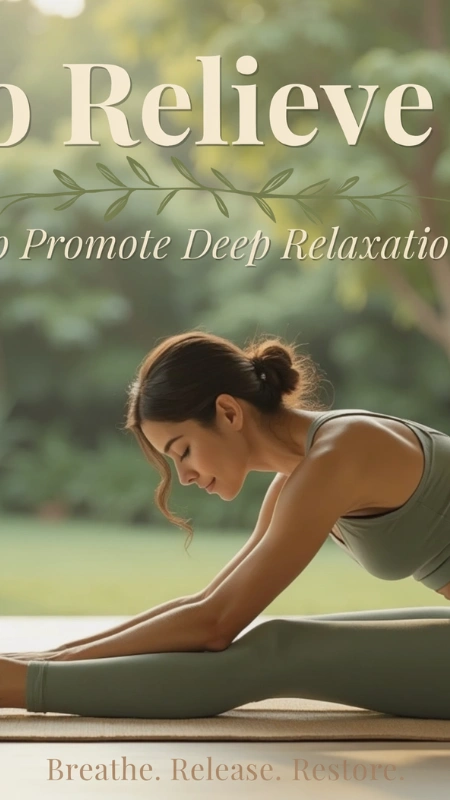
Why Yoga to Relieve Stress Actually Works
Before you roll out your mat, it helps to understand what’s happening inside your body.
When you feel stressed, your nervous system shifts into “fight or flight” mode. Your heart rate increases. Your breathing becomes shallow. Your muscles tighten. Cortisol — your primary stress hormone — floods your system.
Yoga interrupts that cycle.
The Nervous System Reset
When you move slowly and breathe deeply during yoga:
- Your parasympathetic nervous system activates (“rest and digest” mode)
- Cortisol levels begin to decrease
- Heart rate slows
- Blood pressure stabilizes
- Muscles release stored tension
According to research published by Harvard Health and the National Institutes of Health (NIH), regular yoga practice significantly reduces stress and anxiety symptoms. Studies also show improved heart rate variability (HRV), a key marker of resilience to stress.
In simple terms: when you practice yoga to relieve stress, you train your body to recover faster from daily pressure.
How to Prepare for a Relaxing Yoga Session
You don’t need a perfect home studio. You need intention.
Create a Calm Space
Before you begin, take five minutes to set up:
- Choose a quiet corner
- Dim the lights or use soft lamps
- Silence notifications
- Lay out a comfortable mat or blanket
- Keep a pillow or bolster nearby
This small ritual signals your brain that it’s time to unwind.
Optional: Stress-Relief Herbal Tea Before Practice
Pairing yoga with calming tea can deepen relaxation.
Herbal Tea for Relaxation
| Ingredient | Quantity | Benefits |
|---|---|---|
| Chamomile flowers | 1 tablespoon | Supports relaxation and sleep |
| Lavender buds | 1 teaspoon | Calms anxiety |
| Lemon balm | 1 teaspoon | Soothes the nervous system |
| Hot water | 1 cup | Infusion base |
| Raw honey (optional) | 1 teaspoon | Natural sweetness |
How to prepare:
- Boil water.
- Add herbs to an infuser or teapot.
- Pour hot water over herbs.
- Steep for 5–7 minutes.
- Strain and sip slowly before practice.
Now you’re ready to move into the most effective yoga poses for stress relief.
Best Yoga Poses to Relieve Stress and Promote Relaxation
Each pose below is beginner-friendly and designed to calm your mind while releasing physical tension.
1. Child’s Pose (Balasana)
If you only have time for one pose, make it this one.
Why it helps
Child’s Pose gently stretches your lower back and hips while encouraging deep belly breathing. It creates a sense of safety — almost like a reset button for your nervous system.
How to do it
- Kneel on your mat.
- Bring your big toes together.
- Sit back on your heels.
- Fold forward and rest your forehead on the mat.
- Extend your arms forward or let them rest beside your legs.
Stay here for 1–3 minutes, breathing slowly through your nose.
Tip: Place a pillow under your chest or forehead if you feel strain.
2. Legs Up the Wall (Viparita Karani)
This restorative pose is incredibly effective for calming your body after a long day.
Benefits
- Reduces swelling in legs and feet
- Improves circulation
- Relieves lower back tension
- Signals the nervous system to relax
How to practice
- Sit sideways next to a wall.
- Gently swing your legs up as you lie down.
- Rest your arms by your sides.
- Close your eyes.
Stay for 5–10 minutes.
You’ll notice your breath naturally slowing down. This is your body shifting out of stress mode.
3. Cat-Cow Stretch (Marjaryasana-Bitilasana)
Stress often shows up in your spine. Cat-Cow restores fluid movement and coordinates breath with motion.
Steps
- Start on hands and knees.
- Inhale — drop your belly, lift your chest (Cow).
- Exhale — round your spine, tuck your chin (Cat).
- Repeat for 8–10 slow breaths.
This gentle flow releases tension in your back and shoulders — two areas where stress commonly accumulates.
4. Standing Forward Fold (Uttanasana)
This pose encourages blood flow to your brain, helping quiet racing thoughts.
How to do it
- Stand with feet hip-width apart.
- Hinge at your hips and fold forward.
- Bend your knees generously.
- Let your head hang heavy.
Hold for 30–60 seconds.
You may feel a sense of emotional release here. That’s normal — your body stores more than just physical tension.
5. Corpse Pose (Savasana)
This is where everything integrates.
Why Savasana matters
Many people skip it. Don’t.
Savasana allows your body to absorb the benefits of your practice. It teaches you how to be still — something most stressed minds struggle with.
Practice
- Lie flat on your back.
- Let your feet fall open naturally.
- Rest arms slightly away from your body.
- Close your eyes.
Stay for 5–15 minutes.
Focus on your breath or mentally scan your body from head to toe.
10-Minute Yoga Routine to Relieve Stress
Short on time? Follow this quick flow:
- Cat-Cow – 2 minutes
- Child’s Pose – 2 minutes
- Standing Forward Fold – 1 minute
- Legs Up the Wall – 3 minutes
- Savasana – 2 minutes
Even 10 minutes of yoga to relieve stress can change how you feel for the rest of the day.
Additional Tips to Maximize Stress Relief
To get the most from your practice:
- Breathe through your nose slowly
- Extend your exhales longer than inhales
- Practice 3–5 times per week
- Avoid checking your phone before or after
- Stay hydrated
Consistency matters more than intensity.
Common Mistakes to Avoid
When practicing yoga for relaxation, avoid these pitfalls:
- Forcing stretches
- Comparing yourself to others
- Holding your breath
- Skipping Savasana
- Rushing through poses
Your goal isn’t flexibility. It’s nervous system recovery.
How Often Should You Practice Yoga to Relieve Stress?
You might wonder how much is enough.
Research suggests that practicing yoga 3 times per week significantly reduces stress markers. However, daily short sessions — even 5–10 minutes — can create noticeable improvements.
If you’re feeling overwhelmed, start small. One pose. One breath. Build from there.
Can Yoga Help with Anxiety Too?
Yes.
Studies in Frontiers in Psychiatry and other medical journals show yoga improves mood, lowers cortisol, and reduces anxiety symptoms. Breath-focused yoga is especially powerful because anxiety and shallow breathing are closely connected.
When you slow your breath, your brain interprets that as safety.
When Is the Best Time to Practice?
You can practice yoga to relieve stress at any time of day, but here’s how timing affects benefits:
- Morning: Sets a calm tone for your day
- Afternoon: Resets mental fatigue
- Evening: Prepares your body for sleep
If stress disrupts your sleep, an evening session with Legs Up the Wall and Savasana can be transformative.
Frequently Asked Questions
How long does yoga take to relieve stress?
You may feel calmer after just one session. Long-term stress reduction typically becomes noticeable within 3–4 weeks of consistent practice.
Is yoga to relieve stress suitable for beginners?
Absolutely. Gentle poses like Child’s Pose and Legs Up the Wall are accessible for all levels.
Do I need special equipment?
No. A mat, comfortable clothing, and perhaps a pillow are enough.
Can yoga replace other stress-management methods?
Yoga can complement therapy, exercise, and mindfulness practices. For chronic stress or anxiety disorders, consult a healthcare professional.
Your Next Step Toward Calm
Stress may be unavoidable. Staying trapped in it isn’t.
When you practice yoga to relieve stress, you reclaim control over your body’s response to pressure. You give yourself permission to slow down. You build resilience — one breath at a time.
Tonight, instead of scrolling through your phone, roll out a mat. Try the 10-minute routine. Notice how your shoulders feel. Notice your breathing.
Then come back tomorrow.
Your calm isn’t far away — it’s already within you. You just have to pause long enough to find it.
If this guide helped you, share it with someone who could use a little more peace in their day. And commit to starting your stress-relief yoga practice now.
Disclaimer: This article is for general educational purposes and is not medical or professional advice. Please consult a qualified healthcare professional before making changes to your diet, exercise, or health routine. See our Medical Disclaimer.