
Losing weight is often presented as a short-term challenge: follow a strict diet, exercise intensely, and expect dramatic results within a few weeks.
But maintaining those changes can be much harder than starting them.
Sustainable weight loss focuses on building realistic eating, movement, and lifestyle habits that you can maintain over time. Instead of relying on extreme restrictions, it emphasizes balanced nutrition, enjoyable physical activity, adequate sleep, and practical behavior changes.
According to the National Institutes of Health (NIH), successful long-term weight management generally involves healthy eating patterns, regular physical activity, and ongoing behavioral support.
Table of Contents
The encouraging part is that you do not need to change everything at once.
Small improvements, repeated consistently, can help you establish healthier routines.
This guide explores 12 sustainable weight loss tips, a realistic 30-day habit plan, and a nutritious chicken and quinoa bowl recipe that can make balanced eating easier.
What Is Sustainable Weight Loss?
Sustainable weight loss means approaching weight management in a way that supports your health without requiring extreme restrictions or habits you cannot realistically maintain.
Rather than focusing exclusively on the number on the scale, this approach considers your eating patterns, physical activity, sleep, emotional well-being, and daily routines.
A healthy weight loss approach typically includes:
- Eating satisfying, nutritionally balanced meals.
- Developing realistic activity habits.
- Getting adequate sleep.
- Managing stress.
- Monitoring progress without becoming overly focused on weight.
- Adjusting your routine as your needs change.
The goal is to create habits that remain useful even after your initial weight goals have been reached.
Why Slow, Steady Weight Loss Can Be Easier to Maintain
For many adults who would benefit from losing weight, a gradual pace of approximately 1–2 pounds per week is commonly recommended.
However, this is not a requirement or an appropriate target for everyone.
Weight changes depend on factors including starting weight, age, medications, health conditions, activity levels, and individual physiology.
Some people may benefit from a slower approach, while others may need individualized medical guidance.
The most useful measure of progress is whether your approach supports your health and remains manageable over time.
Why Restrictive Diets Often Backfire
Highly restrictive diets may produce rapid initial weight changes, but they can be difficult to follow consistently.
Common problems include excessive hunger, limited food variety, social difficulties, and a cycle of strict dieting followed by overeating.
Weight regain can also involve biological adaptations, including changes in appetite and energy expenditure.
This does not mean every structured diet is ineffective. It means that an eating plan needs to fit your nutritional needs, preferences, and circumstances.
A sustainable plan should leave room for flexibility.
12 Sustainable Weight Loss Tips for Everyday Life
1. Set Realistic Weight Loss Goals
One of the most important sustainable weight loss tips is to choose goals that reflect your lifestyle and health needs.
Instead of expecting dramatic changes within 30 days, focus on behaviors you can control.
For example, you might decide to:
- Eat vegetables with lunch most days.
- Walk for 20 minutes after dinner.
- Prepare two homemade lunches each week.
- Establish a consistent bedtime.
These goals are specific and measurable.
They also help shift attention from immediate weight changes toward the actions that support long-term progress.
2. Build Balanced Meals Instead of Following Strict Rules
You do not need to eliminate entire food groups to improve your eating habits.
A balanced meal can include vegetables, protein-rich foods, whole grains or other fiber-rich carbohydrates, and sources of unsaturated fat.
The USDA’s MyPlate framework provides a useful starting point for meal planning.
For many meals, you can aim to fill roughly half your plate with fruits and vegetables, while including protein and grains or other nutritious carbohydrate sources.
Portions can be adjusted according to your needs.
For more food ideas, explore our guide to good weight loss foods to eat.
3. Prioritize Protein and Fiber
Protein and fiber can make meals more satisfying, which may help with appetite management.
Protein-rich foods include eggs, fish, poultry, beans, tofu, lentils, and yogurt.
Fiber-rich choices include vegetables, fruit, oats, beans, and whole grains.
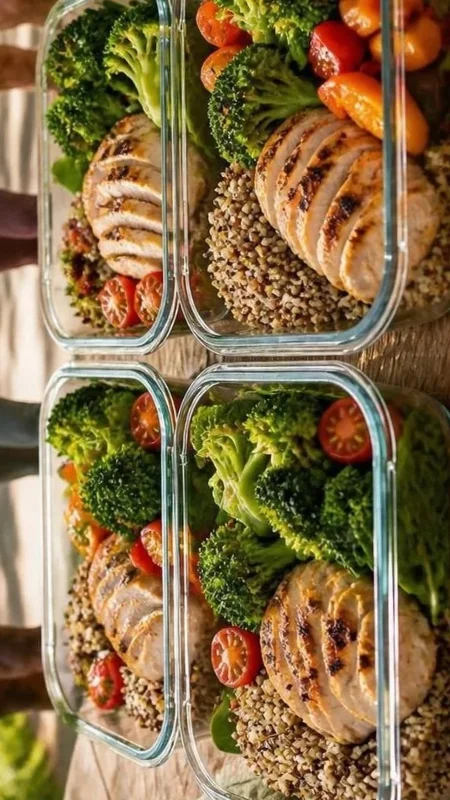
For example, a lunch containing grilled chicken, quinoa, vegetables, and olive oil offers a combination of protein, fiber, carbohydrates, and fat.
This combination can be more satisfying than a meal consisting mainly of refined carbohydrates.
However, no single nutrient guarantees weight loss.
Overall eating patterns and individual energy needs still matter.
Our weight loss foods guide offers additional ideas for building nutritious meals.
4. Practice Mindful Eating
Mindful eating involves paying attention to your eating experience rather than following rigid external rules.
It may help you recognize hunger, satisfaction, and eating habits.
Try sitting down for meals, limiting distractions, and noticing how hungry you feel before and after eating.
You can also slow your eating pace and take time to enjoy the food.
Mindful eating is not a guaranteed weight loss method, and research findings are mixed.
However, it can support a more attentive and flexible relationship with food.
5. Choose Movement You Enjoy
Physical activity supports cardiovascular health, physical function, mood, and long-term weight management.
The most effective routine is often one you can repeat.
Walking, cycling, swimming, dancing, hiking, and recreational sports can all contribute to your activity level.
For general health, U.S. physical activity guidelines recommend that adults aim for at least 150 minutes of moderate-intensity aerobic activity per week.
You do not need to complete this all at once.
Shorter activity sessions throughout the week can contribute to your total.
If you are currently inactive, begin with manageable amounts and increase gradually.
6. Include Strength Training
Resistance exercise helps maintain or improve muscle strength and function.
It is particularly useful during weight loss because losing weight can involve losing some lean body mass.
Strength training may help reduce that loss, especially when combined with adequate nutrition.
Adults are generally advised to include muscle-strengthening activities on at least two days per week.
Examples include resistance bands, bodyweight exercises, free weights, and weight machines.
Start with exercises appropriate for your fitness level.
7. Improve Your Sleep Routine
Sleep influences many processes involved in health, including appetite regulation, energy levels, and daily decision-making.
Adults generally need at least seven hours of sleep per night, although individual needs vary.
Helpful sleep habits include maintaining a consistent schedule, reducing late-night screen use, and creating a comfortable sleeping environment.
Improving sleep does not automatically cause weight loss.
However, adequate sleep can make it easier to maintain other healthy routines.
8. Manage Stress Without Relying Only on Food
Stress can affect eating patterns in different ways.
Some people experience increased appetite or cravings, while others eat less.
Neither response should be treated as a personal failure.
Instead, develop several ways to respond to stressful situations.
Walking, stretching, relaxation exercises, creative activities, and supportive conversations can all be useful.
If emotional eating frequently causes distress or feels difficult to control, a registered dietitian or qualified mental health professional can provide additional support.
9. Plan Meals Without Becoming Rigid
Meal planning can reduce last-minute food decisions and make nutritious options more convenient.
You do not need an elaborate meal schedule.
Start by selecting a few reliable breakfasts, lunches, and dinners.
For example, you might prepare overnight oats for breakfast, chicken and quinoa bowls for lunch, and vegetable-rich stir-fries for dinner.
Keep flexible alternatives available for busy days.
Frozen vegetables, canned beans, eggs, and whole grains can make quick meals easier.
A sustainable weight loss plan should accommodate occasional restaurant meals, celebrations, and schedule changes.
10. Track Habits, Not Just Weight
Body weight naturally fluctuates because of hydration, digestion, hormonal changes, and other factors.
Therefore, a single weigh-in does not provide a complete picture of progress.
Consider monitoring habits such as physical activity, meal preparation, sleep, and vegetable intake.
You may also notice improvements in stamina, strength, or everyday energy.
If weighing yourself is useful and does not cause distress, consistent measurements over time can provide additional information.
However, frequent weighing is not necessary for everyone.
11. Make Your Environment Support Your Goals
Daily surroundings can influence food choices and activity habits.
Making nutritious options convenient may reduce the effort required to choose them.
For example, keep washed fruit available, store prepared meals safely in the refrigerator, and place comfortable walking shoes somewhere visible.
You can also plan an enjoyable walking route or schedule activity with a friend.
These small environmental changes help make healthy choices more accessible.
12. Focus on Consistency Rather Than Perfection
A sustainable routine does not require following every plan perfectly.
Travel, illness, social events, and busy schedules can temporarily disrupt healthy habits.
What matters is returning to your routine without compensating through extreme restriction or excessive exercise.
One restaurant meal does not determine your long-term health.
Likewise, one missed workout does not erase previous progress.
Weight loss habits that last are flexible enough to work during ordinary life, not just ideal circumstances.
A Simple Sustainable Weight Loss Plan for 30 Days
A 30-day plan can provide structure for developing habits.
However, 30 days is not a deadline for achieving a particular weight.
The following framework focuses on manageable behaviors rather than guaranteed results.
Week 1: Build Awareness
Begin by observing your current routines.
Notice your usual meal patterns, physical activity, sleep schedule, and situations that affect your eating choices.
Choose one or two realistic goals.
For example, you might drink water with lunch and walk for 10 minutes after dinner.
Avoid attempting to overhaul your entire lifestyle immediately.
Week 2: Improve Meal Balance
Focus on creating more satisfying meals.
Include a protein source and fiber-rich foods at regular meals when practical.
Try preparing one balanced recipe in advance.
The chicken and quinoa bowl below is an example.
Continue practicing the habits you established during the first week.
Week 3: Increase Daily Movement
Add physical activity gradually.
You might increase your walks, try a beginner resistance routine, or choose an enjoyable weekend activity.
If you are already active, focus on consistency rather than automatically increasing exercise intensity.
Movement should support your health, not become punishment for eating.
Week 4: Strengthen Your Routine
Review which habits worked well.
Consider what made them easier or harder to maintain.
You may discover that preparing lunches on Sunday saves time, or that exercising earlier in the day works better with your schedule.
Keep the habits that fit your life and adjust those that do not.
At the end of 30 days, your goal is to have a clearer, more realistic routine—not necessarily a dramatic change on the scale.
Easy Chicken and Quinoa Bowl Recipe
A practical recipe can make healthy eating more convenient.
This chicken and quinoa bowl combines lean protein, whole grains, colorful vegetables, and a simple lemon-olive oil dressing.
It works well for lunch or dinner and can be prepared ahead of time.
Although it can fit into a weight management eating pattern, no individual recipe causes weight loss.
Overall dietary patterns, portions, activity, and individual needs remain important.
Recipe Overview
| Detail | Information |
|---|---|
| Recipe Name | Healthy Chicken and Quinoa Bowl |
| Prep Time | 15 minutes |
| Cook Time | 25 minutes |
| Total Time | 40 minutes |
| Servings | 4 |
| Serving Size | Approximately one-quarter of the finished recipe |
| Cuisine | Mediterranean-inspired |
| Course | Lunch or Dinner |
| Cooking Method | Stovetop |
| Difficulty | Easy |
| Dietary Notes | Dairy-free; naturally gluten-free when using gluten-free ingredients |
Ingredients
| Ingredient | Amount |
|---|---|
| Boneless, skinless chicken breast | 1 lb (454 g) |
| Dry quinoa | ¾ cup (about 128 g) |
| Water | 1½ cups |
| Broccoli florets | 2 cups |
| Red bell pepper | 1 medium, sliced |
| Cherry tomatoes | 1 cup, halved |
| Baby spinach | 2 cups |
| Olive oil | 2 tablespoons, divided |
| Fresh lemon juice | 2 tablespoons |
| Garlic | 2 cloves, minced |
| Dried oregano | 1 teaspoon |
| Paprika | ½ teaspoon |
| Salt | ¼ teaspoon, or to taste |
| Black pepper | ¼ teaspoon |
| Fresh parsley | Optional garnish |
Step-by-Step Instructions
Step 1: Cook the Quinoa
Rinse the quinoa under cool running water using a fine-mesh strainer.
Add the quinoa and 1½ cups of water to a saucepan.
Bring to a boil, reduce the heat, cover, and simmer for approximately 15 minutes, or according to package instructions.
Remove from the heat and allow it to rest, covered, for five minutes.
Fluff with a fork.
Step 2: Season the Chicken
Pat the chicken dry with paper towels.
Season it with paprika, oregano, salt, and black pepper.
Use a separate cutting board and utensils for raw chicken to prevent cross-contamination.
Step 3: Cook the Chicken
Heat 1 tablespoon of olive oil in a large skillet over medium heat.
Add the chicken and cook until browned on both sides and fully cooked.
Cooking time depends on thickness, but approximately 6–8 minutes per side may be sufficient for some chicken breasts.
Use a food thermometer to confirm the thickest part reaches 165°F (74°C).
This is the USDA-recommended minimum safe internal temperature for poultry.
Transfer the chicken to a clean plate and allow it to rest briefly before slicing.
Step 4: Prepare the Vegetables
While the chicken cooks, heat the remaining tablespoon of olive oil in another skillet.
Add the broccoli and bell pepper.
Cook for approximately 5–7 minutes, stirring occasionally, until tender-crisp.
Add the garlic and cook for another 30 seconds.
Stir in the spinach and cook until just wilted.
Step 5: Make the Lemon Dressing
Combine the lemon juice with any remaining seasonings to taste.
For a thinner dressing, add a small amount of water.
The olive oil used during cooking already contributes fat and flavor to the finished bowl.
Step 6: Assemble the Bowls
Divide the cooked quinoa evenly among four bowls.
Add the chicken, cooked vegetables, and cherry tomatoes.
Drizzle with lemon dressing.
Garnish with parsley if desired.
Serve immediately or cool promptly for meal preparation.
Estimated Nutrition Per Serving
The following values are approximate and assume the recipe is divided evenly into four servings.
| Nutrient | Estimated Amount |
|---|---|
| Calories | 400 kcal |
| Protein | 33 g |
| Carbohydrates | 37 g |
| Fiber | 6 g |
| Total Fat | 13 g |
| Saturated Fat | 2 g |
| Sodium | 250 mg |
Nutritional values vary with ingredient brands, chicken size, produce quantities, and preparation methods.
These are editorial estimates, not laboratory-verified values. Recalculate them using USDA FoodData Central or a validated recipe nutrition tool before publishing nutrition claims or structured nutrition data.
Why This Recipe Fits a Balanced Eating Pattern
Chicken provides protein, while quinoa contributes carbohydrates, fiber, and additional protein.
Broccoli, spinach, peppers, and tomatoes provide vegetables with different nutrients.
Olive oil contributes unsaturated fat.
Together, these ingredients create a varied meal that can fit into many healthy eating patterns.
Portions can be adjusted depending on energy needs, appetite, and activity level.
Meal Prep and Safe Storage Tips
Allow cooked food to cool promptly and refrigerate it within two hours of cooking.
If the surrounding temperature exceeds 90°F (32°C), refrigerate within one hour.
Use shallow, covered containers to help food cool efficiently.
According to FoodSafety.gov, properly refrigerated cooked chicken leftovers generally keep for 3–4 days at 40°F (4°C) or below.
For longer storage, freeze individual portions.
Reheat leftovers thoroughly to 165°F (74°C).
If freezing assembled bowls, consider adding fresh tomatoes and lemon juice after reheating for better texture.
Common Sustainable Weight Loss Mistakes
Even a healthy weight loss approach can become difficult when expectations are unrealistic.
One common mistake is cutting calories too aggressively.
Very restrictive eating may lead to excessive hunger, fatigue, inadequate nutrient intake, and difficulty maintaining the plan.
Another mistake is treating exercise as a way to compensate for food.
Physical activity offers health benefits beyond weight management and should not be used as punishment.
People also sometimes overlook sleep, stress, medication effects, or medical conditions that influence weight.
Finally, it is easy to mistake normal weight fluctuations for a lack of progress.
A more useful approach is to evaluate patterns over several weeks and adjust habits gradually.
If you have a history of eating disorders, are pregnant or breastfeeding, are under 18, or have a medical condition affecting your nutritional needs, seek individualized professional advice rather than following a general weight loss plan.
How to Measure Progress Beyond the Scale
Weight is only one possible indicator of change.
Other meaningful signs of progress may include:
- Improved walking endurance.
- Increased strength.
- More consistent meal preparation.
- Better sleep routines.
- Improved confidence preparing nutritious meals.
- Greater consistency with physical activity.
These improvements can matter even when body weight changes slowly or remains stable.
Your overall health is more complex than a single number.
For additional lifestyle ideas, read our healthy lifestyle habits guide.
Frequently Asked Questions
How Much Weight Can You Safely Lose Each Week?
For many adults, approximately 1–2 pounds per week is a commonly cited gradual weight loss range.
However, appropriate goals vary.
People with lower body weights or certain medical conditions may need a slower approach.
A healthcare professional can help determine whether weight loss is appropriate and what pace makes sense.
Can You Lose Weight Without Giving Up Favorite Foods?
Yes. Weight loss does not necessarily require eliminating favorite foods.
A flexible eating pattern can include enjoyable foods while emphasizing nutritious meals and appropriate portions.
Long-term consistency matters more than rigid food rules.
Is Walking Enough for Sustainable Weight Loss?
Walking can support weight management, cardiovascular health, and daily activity.
Whether it leads to weight loss depends on multiple factors, including overall energy intake and individual physiology.
Combining walking with strength training and balanced nutrition can provide additional health benefits.
How Long Does Sustainable Weight Loss Take?
There is no universal timeline.
Weight changes depend on individual circumstances, and progress is rarely perfectly linear.
A sustainable approach prioritizes habits you can maintain for months and years rather than a specific 30-day result.
What Should You Do When Weight Loss Slows Down?
Weight loss often slows as body weight and energy requirements change.
Review your habits without immediately resorting to stricter dieting.
Consider activity levels, sleep, food portions, medications, and other relevant factors.
If progress has stalled for an extended period or you are experiencing concerning symptoms, consult a qualified healthcare professional.
Final Thoughts
Sustainable weight loss is less about finding the perfect diet and more about developing habits that fit your life.
Balanced meals, regular movement, adequate sleep, realistic goals, and flexible routines can support healthier weight management.
You do not need to change everything in one month.
Start with one or two manageable improvements, build consistency, and adjust your approach as needed.
For more practical nutrition information, explore the HealthyEating.Foundation Weight Loss Hub.
The best long-term plan is one that supports your health and remains realistic beyond the first 30 days.
Disclaimer: This article is for general educational purposes and is not medical or professional advice. Please consult a qualified healthcare professional before making changes to your diet, exercise, or health routine. See our Medical Disclaimer.