Good Weight Loss Foods to Eat: Nutritious, Filling Choices That Make Healthy Weight Loss Feel Easier
Choosing foods for weight management can feel confusing, especially when hunger returns soon after a meal. Rather than focusing only on eating less, it can help to build balanced meals with protein, fiber-rich foods, vegetables, fruit, and appropriate portions of healthy fats.
Table of Contents
This guide explores nutritious foods that can help you feel satisfied, explains how to combine them into practical meals, and shares three simple recipes for everyday cooking. You’ll also learn how to make thoughtful food choices without needing to track every calorie. Individual needs vary, and no single food supports weight loss; long-term progress depends on overall eating patterns, activity, health, and consistency.
Good Weight Loss Foods to Eat
What Makes Certain Foods Helpful for Weight Management?
No individual food causes weight loss on its own. However, some foods make it easier to build satisfying meals, meet nutritional needs, and maintain eating habits over time.
Four characteristics are particularly useful when planning meals.
1. Protein-Rich Foods
Protein supports muscle maintenance and contributes to fullness. Including a source of protein in your meals can help make your eating pattern more satisfying.
Good choices include:
- Eggs
- Chicken and turkey
- Fish and seafood
- Plain Greek yogurt and cottage cheese
- Beans, lentils, and chickpeas
- Tofu, tempeh, and edamame
Choose different protein sources throughout the week to add variety. Your individual protein needs depend on factors such as age, activity level, and health status.
2. Fiber-Rich Foods
Fiber supports digestive health and can help meals feel more satisfying. Many fiber-rich foods also provide vitamins, minerals, and other beneficial nutrients.
Try including:
- Oats and barley
- Beans and lentils
- Apples, pears, and berries
- Broccoli and other vegetables
- Chia seeds and flaxseeds
- Whole-grain bread and brown rice
Increase fiber gradually and drink enough fluids to help your digestive system adjust.
For more information, see the CDC’s healthy eating guidance.
3. Foods With High Water Content
Vegetables, whole fruits, and broth-based soups contain water that contributes to the volume of a meal. This can help you enjoy a generous portion while getting fewer calories than you might from an equally sized portion of some energy-dense foods.
Examples include:
- Cucumber, lettuce, and tomatoes
- Zucchini and bell peppers
- Broccoli and cauliflower
- Oranges, berries, and melons
- Vegetable soups made with broth
These foods provide useful variety, but meals should still include enough energy, protein, and healthy fats to meet your needs.
4. Minimally Processed, Nutrient-Dense Foods
Foods such as vegetables, fruit, whole grains, eggs, beans, fish, and plain yogurt can form the foundation of a balanced eating pattern.
Convenience foods can also fit into a healthy diet. Frozen vegetables, canned beans, canned fish, and whole-grain microwaveable grains can save time. Compare labels when useful, especially for added sugar and sodium.
The aim is not to avoid every packaged food. It is to choose a variety of foods that provide nutrients and fit your budget, preferences, and routine.
Best Foods to Include in a Balanced Eating Pattern
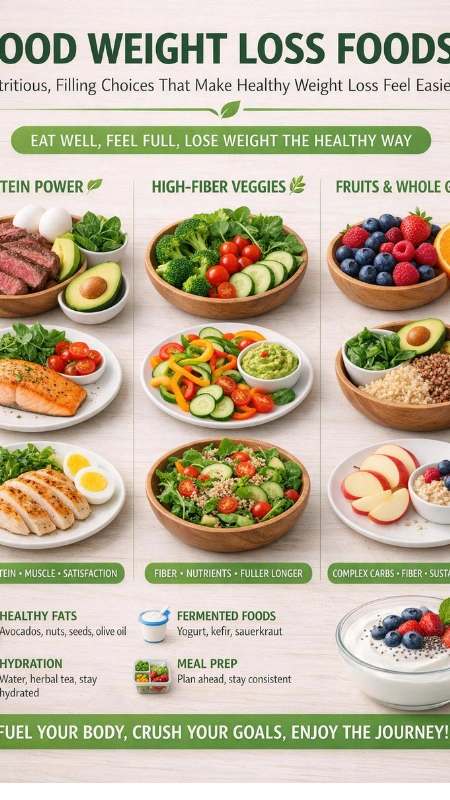
Rather than following a long list of strict food rules, choose from several food groups and combine them in ways you enjoy.
Best Protein Sources
| Food | Practical way to use it |
|---|---|
| Eggs | Serve with vegetables and whole-grain toast. |
| Chicken or turkey | Add to salads, wraps, or grain bowls. |
| Fish | Bake with vegetables and potatoes. |
| Plain Greek yogurt | Combine with berries and oats. |
| Lentils and beans | Add to soups, stews, and salads. |
| Tofu or tempeh | Stir-fry with mixed vegetables. |
| Cottage cheese | Serve with fruit or whole-grain crackers. |
Protein-rich foods vary in calories, fat, sodium, and other nutrients. Choose portions that suit your individual needs rather than assuming that one protein source is always the best choice.
High-Fiber Carbohydrates
Carbohydrates are an important part of many balanced eating patterns. You do not need to eliminate them to manage your weight.
Useful options include:
- Oatmeal and oat bran
- Brown rice and quinoa
- Barley and other whole grains
- Beans, chickpeas, and lentils
- Sweet potatoes and regular potatoes
- Whole-grain bread and wraps
Pairing carbohydrates with protein and vegetables can help create a more complete meal.
Vegetables for Everyday Meals
Vegetables provide fiber, vitamins, minerals, and variety. Fresh, frozen, and suitable canned options can all be convenient choices.
Try spinach, cabbage, broccoli, cauliflower, carrots, mushrooms, cucumbers, tomatoes, zucchini, and bell peppers.
Make vegetables easier to include by roasting a tray at the start of the week, keeping frozen vegetables available, or adding a handful of greens to soups and grain bowls.
Fruits for Snacks and Desserts
Whole fruit offers fiber, water, and a range of vitamins and minerals. It can also be a convenient alternative when you want something sweet.
Good everyday choices include:
- Apples and pears
- Strawberries, blueberries, and other berries
- Oranges and mandarins
- Bananas
- Melons
- Peaches and plums
Try fruit with plain yogurt, cottage cheese, or a small portion of nuts if you prefer a more substantial snack. Whole fruit does not need to be avoided simply because it contains naturally occurring sugar.
Healthy Fats in Appropriate Portions
Unsaturated fats are part of a balanced diet, but oils, nuts, seeds, and other high-fat foods are energy-dense. Portions can help you balance meals according to your needs.
Options include:
- Olive oil
- Avocado
- Almonds, walnuts, and other nuts
- Chia and flaxseeds
- Peanut butter and other nut butters
Use these foods to add flavor, texture, and variety rather than treating them as foods that must be eliminated.
How to Build a Balanced Plate
A visual guide can make meal planning easier without requiring you to calculate every ingredient.
For a general starting point, try this approach:
- Half the plate: vegetables and, when suitable, some fruit.
- One-quarter: a protein source such as eggs, fish, chicken, tofu, or beans.
- One-quarter: grains or other carbohydrate-rich foods such as brown rice, potatoes, or whole-grain pasta.
- Add: a suitable portion of healthy fat, along with water or another beverage that fits your needs.
This is a flexible guide, not a strict prescription. Your portions and nutritional requirements may differ according to your activity, appetite, age, health, and goals.
Easy Meal Combinations
Here are some practical combinations to use on busy days:
- Breakfast: plain Greek yogurt, oats, berries, and chia seeds.
- Lunch: chicken or chickpea salad with whole-grain bread.
- Dinner: baked fish, roasted vegetables, and potatoes.
- Vegetarian meal: lentil soup with a side salad and whole-grain bread.
- Quick meal: eggs with sautéed vegetables and toast.
- Snack: an apple with yogurt or a small portion of nuts.
For more ideas, browse our healthy recipes.
Three Simple Recipes to Try
These recipes use everyday ingredients and can be adapted to your taste, budget, and nutritional needs. Ingredient amounts and nutrition values vary with brands, preparation methods, and portion sizes.
Recipe 1: Greek Yogurt and Berry Bowl
Prep time: 5 minutes
Servings: 1
Ingredients
| Ingredient | Amount |
|---|---|
| Plain Greek yogurt | 1 cup |
| Mixed berries | 1 cup |
| Chia seeds | 1 tablespoon |
| Cinnamon | ½ teaspoon |
| Chopped walnuts, optional | 1 tablespoon |
Instructions
- Spoon the yogurt into a bowl.
- Add the berries, chia seeds, and cinnamon.
- Stir gently and allow the mixture to stand for a few minutes if you prefer a thicker texture.
- Sprinkle with walnuts, if desired.
Why try it?
Yogurt provides protein, while berries and chia seeds add fiber and variety. Choose plain yogurt and sweeten it to taste if needed.
Recipe 2: Crunchy Chicken Salad
Prep time: 10 minutes
Servings: 1
Ingredients
| Ingredient | Amount |
|---|---|
| Cooked chicken breast | 4 oz |
| Mixed greens | 3 cups |
| Cucumber, chopped | 1 cup |
| Cherry tomatoes, halved | 1 cup |
| Bell pepper, chopped | ½ cup |
| Olive oil | 1 teaspoon |
| Lemon juice or vinegar | 1–2 tablespoons |
| Black pepper and herbs | To taste |
Instructions
- Wash and prepare the vegetables.
- Place the greens, cucumber, tomatoes, and bell pepper in a large bowl.
- Add the cooked chicken.
- Mix the olive oil, lemon juice, pepper, and herbs to make a simple dressing.
- Toss everything together and serve.
Optional additions: Add chickpeas, whole-grain bread, or another carbohydrate source if you want a more substantial meal.
Food safety: Keep cooked chicken refrigerated until needed and refrigerate leftovers promptly.
Recipe 3: Lentil and Vegetable Soup
Prep time: 10 minutes
Cook time: 25–35 minutes
Servings: 4
Ingredients
| Ingredient | Amount |
|---|---|
| Dry lentils, rinsed | 1 cup |
| Onion, chopped | 1 medium |
| Carrots, chopped | 2 |
| Celery, chopped | 2 stalks |
| Diced tomatoes | 1 can (14–15 oz) |
| Low-sodium vegetable broth or water | 4 cups |
| Spinach | 2 cups |
| Olive oil, optional | 1 teaspoon |
| Cumin, black pepper, and herbs | To taste |
Instructions
- If using olive oil, warm it in a large pot over medium heat.
- Add the onion, carrots, and celery. Cook for about 5 minutes, stirring occasionally.
- Add the lentils, tomatoes, broth or water, and seasonings.
- Bring to a boil, then reduce the heat and simmer until the lentils are tender, usually 25–35 minutes depending on the type.
- Stir in the spinach during the final few minutes.
- Add more water if needed and adjust the seasonings before serving.
Why try it?
Lentils provide plant-based protein and fiber, while the vegetables add flavor and nutrients. Serve with whole-grain bread if desired.
Storage tip: Refrigerate soup in shallow containers within two hours of cooking. Use refrigerated leftovers within 3–4 days or freeze portions for later. See the official FoodSafety.gov cold food storage chart.
Foods to Portion Mindfully
Nutritious foods can still contribute substantial energy, and that does not make them unhealthy. It simply means that portions and the overall meal matter.
Some examples include:
- Nuts and nut butters: nutrient-rich but energy-dense.
- Oils and dressings: easy to add in larger amounts than intended.
- Granola and trail mix: ingredients and serving sizes vary widely.
- Smoothies: large portions and multiple add-ins can increase their energy content.
- Restaurant salads: dressings, cheese, fried toppings, and other additions can change the overall meal considerably.
You do not need to ban these foods. Enjoy them in portions that suit your needs and remember that the overall eating pattern matters more than any single ingredient.
Everyday Habits That Support Healthy Weight Management
Food choices are one part of weight management. Other habits and individual circumstances can also influence results.
Plan Meals Before You Get Hungry
A little preparation can make everyday choices easier. Choose a few meals for the week, check what you already have, and prepare a shopping list.
You can use our food schedule template to organize meals and groceries. For a more detailed approach, read How to Create a Meal Prep Plan.
Keep Convenient Foods Available
Keep a few easy ingredients on hand, such as:
- Eggs and plain yogurt
- Canned beans and fish
- Frozen vegetables
- Fresh or frozen fruit
- Oats and whole grains
- Nuts and seeds
These staples can help you assemble a meal when you have limited time.
Pay Attention to Hunger and Satisfaction
Eat at a pace that feels comfortable, notice when you feel satisfied, and adjust portions when needed. Hunger can vary from day to day, and there is no need to follow identical portions at every meal.
If you experience persistent hunger, fatigue, dizziness, or weakness while restricting food, reconsider whether you are eating enough and seek advice from a qualified healthcare professional.
Support Your Overall Health
Regular physical activity, sufficient sleep, stress management, and consistent eating habits can all contribute to overall health and weight management. The CDC’s guide to maintaining a healthy weight explains how these factors work together.
Avoid assuming that a particular calorie target is appropriate for everyone. Individual energy needs differ, and a restrictive eating plan may not be suitable for some people.
Frequently Asked Questions
What foods can help me feel full for longer?
Meals that combine protein, fiber-rich foods, and vegetables can be satisfying. Examples include lentil soup, eggs with vegetables, yogurt with berries, and chicken or tofu salads. The best combination depends on your preferences and individual needs.
Do I need to stop eating carbohydrates to manage my weight?
No. Oats, beans, lentils, potatoes, fruit, and whole grains can all fit into a balanced eating pattern. The type and amount of food, along with your overall eating habits, matter more than eliminating an entire food group.
What can I eat when I crave something sweet?
Try fruit, yogurt with berries, or fruit with a small portion of nut butter. You can also enjoy a favorite dessert as part of a balanced eating pattern. There is no need to treat all sweet foods as forbidden.
Can I manage my weight without counting calories?
Some people find that planning balanced meals and paying attention to portions works well without tracking every calorie. Others prefer tracking for a period of time. Neither approach is necessary for everyone, and weight outcomes depend on many factors beyond individual food choices.
What are some plant-based options?
Beans, lentils, chickpeas, tofu, tempeh, edamame, nuts, seeds, and whole grains offer a range of nutrients. If you eat dairy or eggs, plain yogurt, cottage cheese, and eggs can also provide protein.
What are the easiest healthy foods for busy days?
Frozen vegetables, canned beans, canned fish, eggs, plain yogurt, oats, and ready-to-eat fruit can save preparation time. Combine them into simple meals such as a bean bowl, vegetable omelet, yogurt bowl, or quick soup.
Conclusion: Build Balanced Meals You Can Maintain
Choosing nutritious foods for weight management does not require a perfect diet or a list of forbidden ingredients. Start with a variety of protein sources, vegetables, fruit, fiber-rich carbohydrates, and healthy fats. Prepare meals that fit your schedule, preferences, and budget, and adjust portions to meet your needs.
Small, repeatable habits are often more practical than strict rules. No single food supports weight loss, but a balanced eating pattern can support your overall health and make everyday meal planning easier.
Your Next Step
Choose a few foods from each group—protein, fiber-rich carbohydrates, vegetables, and fruit—and use them to plan several meals for the coming week. Try one of the recipes above, make a shopping list, and adjust the plan based on what works for you.
For additional guidance on healthy eating and weight management, consult the CDC’s healthy eating resources.
Disclaimer: This article is for general educational purposes and is not medical or professional advice. Please consult a qualified healthcare professional before making changes to your diet, exercise, or health routine. See our Medical Disclaimer.