
You can read twenty keto posts and still feel stuck at the same question: What am I actually supposed to eat—and how much of it? If you’ve been eyeballing portions, guessing carbs, or copying someone else’s macro targets, you’re not failing. You’re just missing a system.
Table of Contents
Here’s the good news: once you understand keto macros (and how to double-check your numbers with a keto calculator free tool), the diet gets a lot simpler. You stop negotiating with every meal. You stop restarting every Monday. And you finally get that calm feeling of, “Okay—this makes sense.”
This guide walks you through exactly how to figure out your keto macros step by step, with practical examples, food tips, and a few easy recipes to help you hit your targets without living in a spreadsheet.
What “Macros” Mean on a Keto Diet (and Why You Should Care)
“Macros” is short for macronutrients—the three nutrient groups your body uses for energy:
- Carbs
- Protein
- Fat
On a standard diet, carbs often lead the show. On keto, you flip the script: you keep carbs low enough to support ketosis, eat enough protein to maintain your body (and keep hunger under control), and use fat as your main energy source.
Why macros matter more than “keto foods”
You can eat “keto” foods and still miss your results if your macros are off. Common examples:
- Carbs creep up from sauces, snacks, or “keto treats”
- Protein is set too low, so you’re starving by 3 p.m.
- Fat is pushed too high, so you accidentally erase your calorie deficit
When your macros fit your body and goal, keto feels steadier—and much more predictable.
Helpful references to pull from while writing/validating numbers: NIH/PubMed review articles on ketogenic diets and metabolism; clinical keto programs such as Virta Health; USDA FoodData Central for nutrition estimates.
Keto Macros for Beginners: The Ranges You’ll See Everywhere
You’ll often see keto macros described as percentages:
- Fat: ~60–75%
- Protein: ~20–30%
- Carbs: ~5–10%
Percentages are useful for context, but grams are what you track in real life. Your body doesn’t eat “percentages”—you eat food, and food is counted in grams.
A practical starting point (grams)
Most beginners do well starting with:
- Net carbs: 20–30g/day (some people can do up to 50g and still do fine)
- Protein: based on your size and activity (you’ll calculate it below)
- Fat: fills the remaining calories after carbs + protein
Net Carbs Explained (Because This Changes Your Daily Count)
Keto tracking usually focuses on net carbs, not total carbs.
Net carbs formula
Net Carbs = Total Carbs – Fiber – (some) Sugar Alcohols
Why it matters: fiber doesn’t affect blood glucose the same way digestible carbs do, and some sugar alcohols pass through with minimal impact.
Sugar alcohols: quick reality check
Not all sugar alcohols behave the same. Keep this simple:
- Erythritol is often subtracted fully (minimal impact for most people).
- Maltitol can raise blood sugar more noticeably for some people—many keto dieters only subtract part of it or avoid it when progress stalls.
If you’re new, your safest move is this: prioritize whole foods and treat “keto” packaged snacks as occasional extras, not daily staples.
How to Calculate Your Keto Macros Manually (Step by Step)
You don’t have to do manual calculations forever. Still, doing it once helps you understand what any keto macro calculator is really doing behind the scenes.
Step 1: Estimate your calories (TDEE)
Your TDEE (Total Daily Energy Expenditure) is your estimated daily calorie burn.
Most calculators use the Mifflin–St Jeor equation to estimate BMR (Basal Metabolic Rate), then multiply by an activity factor. It’s widely used in nutrition research.
Mifflin–St Jeor (BMR)
For men:
- BMR = (10 × weight kg) + (6.25 × height cm) – (5 × age) + 5
For women:
- BMR = (10 × weight kg) + (6.25 × height cm) – (5 × age) – 161
Then multiply BMR by an activity level (examples):
- Sedentary: × 1.2
- Light activity: × 1.375
- Moderate: × 1.55
- Very active: × 1.725
Beginner tip: most people overestimate activity. If you’re unsure, pick a lower activity setting and adjust later based on real results.
Step 2: Choose your net carb limit
A clean beginner target:
- 20–30g net carbs/day
If you already know you do better with a little flexibility (and you’re active), you might start closer to 35–50g. The tradeoff is that ketosis may be less consistent, especially early on.
Step 3: Set protein (don’t guess—anchor it)
Protein is where beginners often get steered wrong. You need enough to:
- maintain muscle
- feel satisfied
- recover from training
A practical way to set protein is based on lean body mass (LBM). If you don’t know your body fat percentage, you can still estimate—but use this as a starting point, not a forever rule.
Protein guideline (simple range)
- 0.8–1.0 g protein per lb of lean body mass (good general range)
- If you lift weights or do intense training, you’ll likely do better nearer the higher end.
If you don’t know LBM: choose a reasonable target that you can stick to (often 100–150g/day for many adults), then refine it.
Step 4: Fat is the “adjustment dial”
Here’s the part that calms people down: on keto, fat isn’t automatically a goal you must hit. It’s often the dial you turn based on your goal.
- Trying to lose fat? You may not need to “add fat” to everything.
- Trying to maintain? You’ll usually eat more fat to meet energy needs.
- Trying to gain muscle? Fat often rises (and protein may rise too).
Step 5: Convert calories to grams (the cheat sheet)
You’ll use these numbers constantly:
- Carbs: 4 calories per gram
- Protein: 4 calories per gram
- Fat: 9 calories per gram
So if you know your calories and you’ve set carbs + protein, you can calculate fat by subtraction.
Using a Keto Calculator Free Tool (Without Getting Weird Numbers)
A keto calculator free tool can save you time—if you feed it realistic inputs and sanity-check the results.
What a solid keto macro calculator should ask
- your age, sex, height, weight
- activity level
- goal (lose/maintain/gain)
- optional: body fat estimate
The most common “calculator mistakes”
- Picking “very active” because you want faster results
- Using total carbs instead of net carbs
- Setting protein too low, then fighting hunger all day
- Treating fat as mandatory instead of flexible
Quick sanity checks
Your results should usually pass these checks:
- Net carbs land in a keto-friendly range (often 20–50g)
- Protein doesn’t look suspiciously low
- Calories match your goal (deficit for fat loss, maintenance for stability)
Keto Macros by Goal: Fat Loss vs Maintenance vs Muscle Gain
Keto macros for fat loss
Your winning combo is:
- modest calorie deficit
- steady protein
- carbs controlled
- fat adjusted down just enough to create the deficit
Practical reminder: If you’re adding butter, cream, and oil to everything and weight loss stalls, it’s not “bad keto”—it’s just too much energy.
Keto macros for maintenance
Maintenance often looks like:
- similar carbs and protein
- higher fat compared to fat loss (because calories are higher)
Keto macros for muscle gain
For muscle gain, you’ll usually want:
- slight calorie surplus
- higher protein target
- carbs still low (some athletes experiment with targeted keto, but beginners don’t need that complexity)
Sample Keto Macro Calculation (A Beginner-Friendly Walkthrough)
Let’s run a simple example so you can copy the process.
Example scenario
- Your calorie target (TDEE adjusted for goal): 1,800 calories/day
- Net carbs: 25g/day
- Protein: 120g/day
Now calculate calories from carbs and protein:
- Carbs: 25g × 4 = 100 calories
- Protein: 120g × 4 = 480 calories
- Total so far = 580 calories
Calories left for fat:
- 1,800 – 580 = 1,220 calories from fat
Convert to fat grams:
- 1,220 ÷ 9 = ~136g fat/day
Your starting macros might look like:
- 25g net carbs
- 120g protein
- 136g fat
- 1,800 calories
That’s not a “perfect” number. It’s a usable number—one you can test for 2–3 weeks and then adjust.
Tracking Keto Macros Without Driving Yourself Nuts
You don’t need perfect tracking. You need consistent tracking long enough to learn what’s actually happening.
Track these first (in order)
- Net carbs
- Protein
- Fat
- Calories (useful, but not always necessary daily)
When you should adjust macros
Adjust if:
- you’ve been consistent for 2–3 weeks and results don’t match your goal
- your activity changes (new job, new training plan, injury)
- you’ve lost a chunk of weight and your calorie needs changed
Example Keto Meals Based on Your Macro Targets
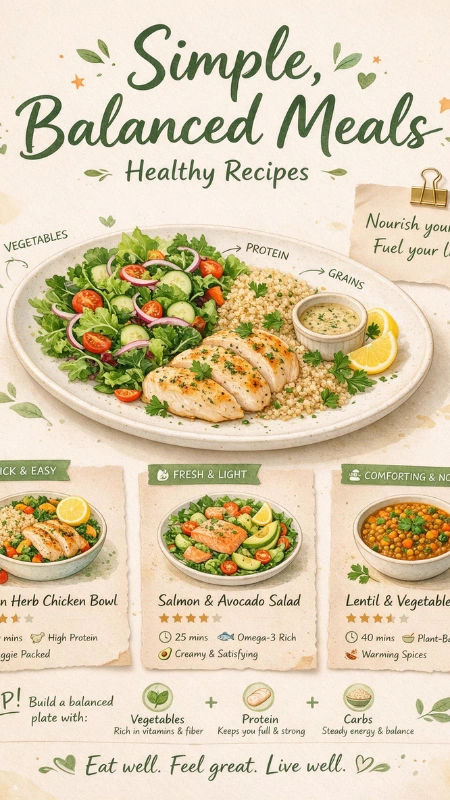
Once you have estimated your daily calorie and macronutrient targets, the next step is turning those numbers into meals. The example below shows how a day of keto-style eating might look. Actual nutrition values vary with portion sizes, ingredients, and food brands.
Breakfast: Eggs, Avocado, and Spinach
Example ingredients:
- 2 eggs
- ½ avocado
- 1 cup of spinach
- 1 teaspoon of olive oil
Cook the eggs and spinach with the olive oil, then serve with avocado. This meal provides protein, fat, and vegetables while keeping carbohydrates relatively low.
Lunch: Grilled Chicken Salad
Example ingredients:
- 5 oz (about 140 g) cooked chicken breast
- 2 cups of mixed leafy greens
- 1 oz (28 g) feta cheese
- Olive oil and lemon juice dressing, measured to suit your needs
Combine the ingredients and add the dressing. Measure the oil and check the labels on packaged ingredients if you are tracking macros closely.
Dinner: Salmon with Cauliflower
Example ingredients:
- 6 oz (about 170 g) salmon
- 1 cup of cooked cauliflower
- A small amount of olive oil or butter
- Herbs, lemon, and seasonings
Bake or grill the salmon and serve it with cauliflower. Adjust the portions and added fats according to your energy needs and remaining macro targets.
How to Make This Example Work for You
These meals are examples, not a complete meal plan expected to meet a specific calorie or macro target. Depending on your portions and preparation methods, you may need snacks, additional foods, or different serving sizes to meet your daily needs.
Use a reliable food-tracking resource to estimate the nutrition in your actual portions. Focus on adequate protein, vegetables, food variety, and an appropriate total energy intake rather than trying to hit every number perfectly.
A keto diet is not suitable for everyone. If you have diabetes, take glucose-lowering medication, have kidney or liver disease, are pregnant or breastfeeding, or have a history of disordered eating, consult a qualified healthcare professional before making major dietary changes.
Electrolytes: The Part of Keto Most Beginners Miss
If keto makes you feel tired, crampy, headachy, or “off,” it’s often not your macros—it’s electrolytes.
When insulin drops on keto, your body tends to excrete more sodium and water. That shift can make you feel rough in the first week or two.
Basic electrolyte checklist
Focus on:
- Sodium (salt your food; broth can help)
- Potassium (avocado, leafy greens—supplements should be approached carefully)
- Magnesium (food first; supplements if needed)
If you have blood pressure issues, kidney problems, or you’re on medication, check with your clinician before aggressively increasing electrolytes.
Foods That Make Hitting Keto Macros Easier
Proteins that “fit” easily
- eggs, chicken, turkey, beef, salmon, tuna
- Greek yogurt (watch carbs), cottage cheese (varies by brand)
- tofu/tempeh (if you use them—check carbs)
Fat sources that don’t require constant snacking
- olive oil, avocado oil
- avocados, olives
- butter/ghee
- mayo (read labels; some brands add sugar)
Low-carb veggies for volume (and sanity)
- spinach, kale, lettuce, cucumbers
- zucchini, broccoli, cauliflower
- asparagus, mushrooms
Sneaky carb landmines
- sweet sauces and dressings
- “health” smoothie bowls
- large portions of nuts (easy to overdo)
- keto desserts that still add up fast
Simple Keto Recipes (With Ingredient Tables)
Use these as macro-friendly building blocks. For nutrition estimates, pull data from USDA FoodData Central or your tracking app’s verified entries.
Keto Egg Muffins (Meal Prep Breakfast)
| Ingredient | Amount | Notes |
|---|---|---|
| Eggs | 8 large | Base |
| Cheddar cheese | 1/2 cup | Swap mozzarella if preferred |
| Spinach | 1 cup | Drain if frozen |
| Cooked bacon | 4 slices | Optional |
| Salt + pepper | To taste | Add herbs if you want |
How you use it: Bake in a muffin tin, portion into grab-and-go breakfasts, and pair with avocado if your fat target is higher.
Chicken Avocado Salad (Fast Lunch)
| Ingredient | Amount | Notes |
|---|---|---|
| Cooked chicken | 2 cups | Rotisserie works |
| Avocado | 1 large | Main fat source |
| Mayo | 2 tbsp | Check for added sugar |
| Celery | 1/2 cup | Crunch |
| Lemon juice | 1 tbsp | Brightens flavor |
| Salt + pepper | To taste | Optional paprika |
Macro tip: If your calories are lower, reduce mayo or avocado slightly. If hunger is an issue, keep protein steady and adjust fat gently.
Cauliflower “Fried Rice” (Low-Carb Dinner Base)
| Ingredient | Amount | Notes |
|---|---|---|
| Cauliflower rice | 4 cups | Fresh or frozen |
| Eggs | 2 | Adds protein |
| Shrimp or chicken | 1 lb | Choose one |
| Soy sauce | 2 tbsp | Coconut aminos often higher carb |
| Sesame oil | 1 tbsp | Big flavor |
| Low-carb veg | 1–2 cups | Zucchini, peppers, mushrooms |
Macro tip: Sauce portions matter. Measure once or twice—your future self will thank you.
Troubleshooting: Why Your Keto Macros Aren’t Working
If you’re not losing weight
Run this checklist:
- Are you tracking net carbs, not total carbs?
- Are “little bites” and coffee add-ins slipping through?
- Are you adding fats (oil, butter, cream) on top of already-fatty meals?
- Are your portions larger than you think? (A food scale fixes this fast.)
If you’re hungry all the time
Usually one of these is happening:
- protein is too low
- electrolytes are off
- you’re relying on snacks instead of solid meals
- your deficit is too aggressive too soon
If you feel weak or headache-y
Before you overhaul macros, try:
- more salt in meals
- broth
- magnesium-rich foods
- better hydration
FAQ (Including “Keto Calculator Free”)
Is a keto calculator free tool accurate?
It’s accurate enough to give you a smart starting point. Where it fails is when your inputs are off (especially activity level). Use the calculator, track consistently for 2–3 weeks, then fine-tune.
What net carbs should you aim for as a beginner?
A dependable starting target is 20–30g net carbs/day. If you’re very active or prefer a softer start, you might do 35–50g and see how your body responds.
Do you need to hit your fat macro every day on keto?
Not always. In practice, carbs and protein are the anchors. Fat is often adjusted depending on your goal and appetite. If fat loss is your goal, you may not want to “force” fat.
Can a keto calculator free tool calculate net carbs for you?
It can set a daily carb target, but net carbs come from labels and portion sizes. You calculate net carbs by subtracting fiber (and sometimes specific sugar alcohols) from total carbs.
How often should you recalculate keto macros?
A good rule of thumb:
- every 10–15 pounds of weight change
- any time your training/activity changes significantly
- when your goal changes (cutting to maintenance, maintenance to gain)
Your Next Step (and a Simple Call-to-Action)
You don’t need to master keto over time. You need a starting point you can actually follow.
- Set your net carbs
- Anchor your protein
- Let fat fill the rest based on your goal
- Use a keto calculator free tool to confirm your numbers
- Track for 14 days, then adjust based on real feedback (energy, hunger, progress)
If you want help tailoring your macros, share your goal (fat loss, maintenance, or muscle gain) and your current carb/protein targets in the comments—or save this guide and revisit it after your first two weeks of tracking. Consistency will teach you more than guesswork ever will.
Disclaimer: This article is for general educational purposes and is not medical or professional advice. Please consult a qualified healthcare professional before making changes to your diet, exercise, or health routine. See our Medical Disclaimer.